An International Format
The purpose of the visit is to implement the research project “Integration of Power System Analysis and Modeling with COIL.”
As part of the internship, the experience and principles of applying intelligent technologies in Slovakia’s power distribution system will be analyzed, as well as the possibilities of their implementation in the energy sector of Kazakhstan.
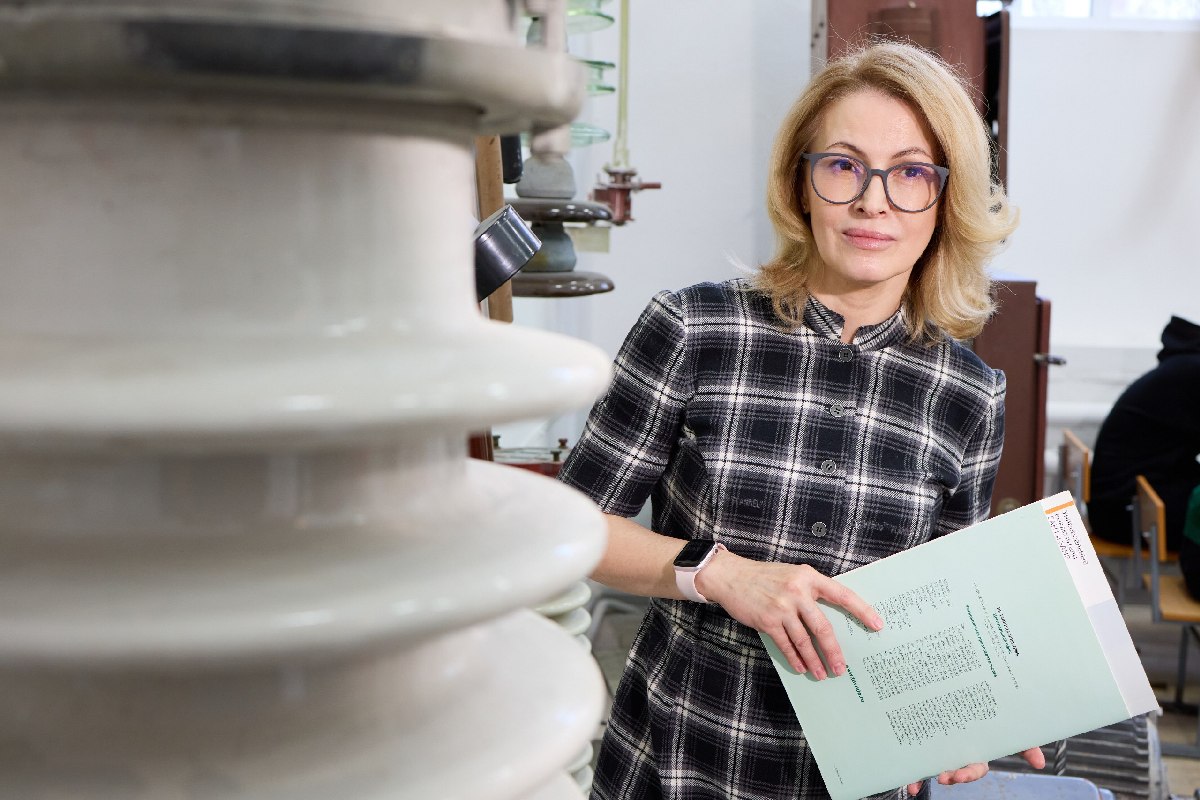
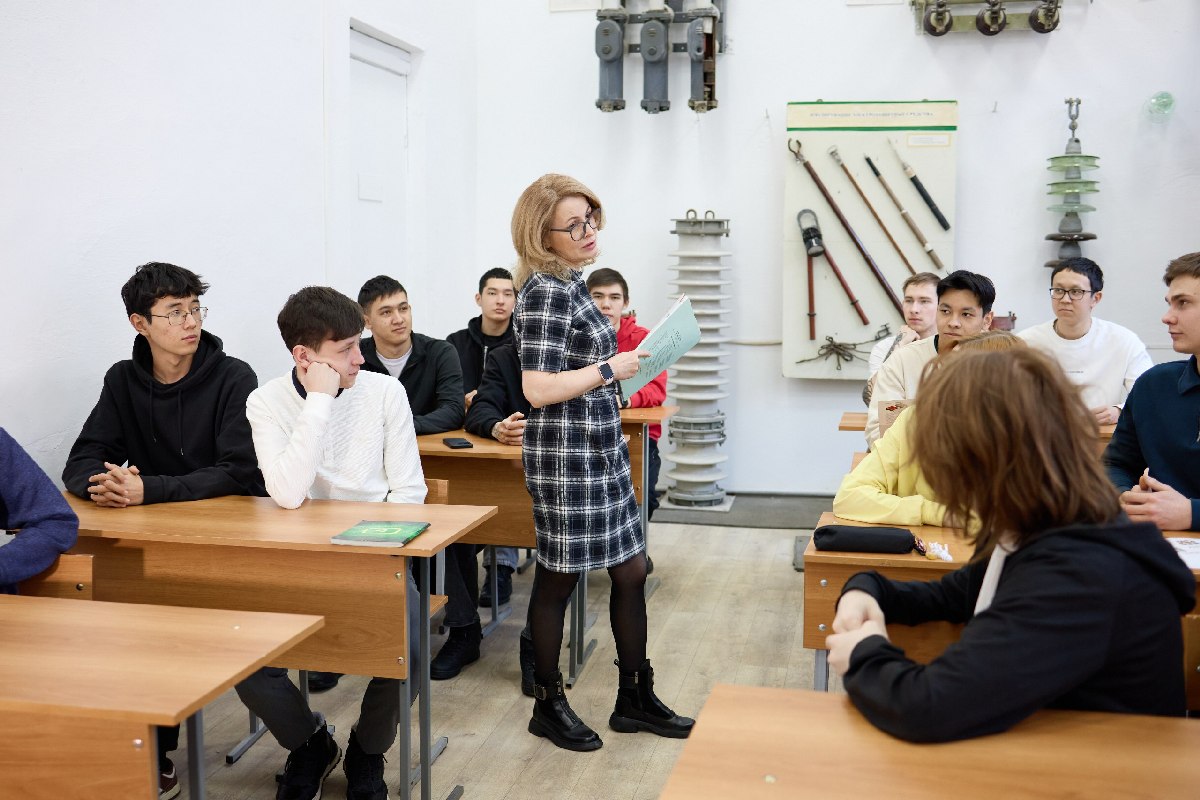
In addition, Svetlana Ibragimova will teach students of the Faculty of Electrical Engineering and Information Technologies at the University of Žilina.
Overall, the internship is aimed at exchanging scientific and pedagogical experience.
The Energy of Artificial Intelligence
Over five months, together with international colleagues, an academic course will be developed on modeling operating modes of electric power systems and the application of artificial intelligence in solving engineering problems.
The course is intended for undergraduate and graduate students of Baitursynuly University and the University of Žilina and will be delivered in the COIL format.
COIL (Collaborative Online International Learning) is an interactive international online learning model that brings together students and faculty from different countries to collaborate on joint projects.
Digitalization and artificial intelligence are currently relevant in all sectors, including electric power engineering. In Slovakia, the German company Siemens has implemented digital twin technology in the electric power system.
A digital twin is a dynamic virtual model of real objects (thermal power plants, electrical grids, equipment) operating based on real-time sensor data.
This technology makes it possible to simulate operating modes, predict failures, optimize operation, and plan maintenance, thereby increasing the reliability of power systems and reducing costs.
The Region Needs This
“In Kazakhstan, digital twin technology is still at the development stage; however, such solutions will be introduced in the near future. Our task is to prepare students for new approaches and technologies. The course developed during the internship will help future graduates adapt to modern technologies currently being actively implemented in the energy sector,”
notes Svetlana Ibragimova.
According to the educator, due to the dynamic development of the region, Kostanay Region is experiencing a power shortage in its energy system, making the development of alternative energy sources particularly relevant.
Near the village of Zarechnoye, a wind power park is already in operation, partially supplying electricity to the town of Tobyl and the village of Zarechnoye. By October 2029, the construction of another power plant with an installed capacity of 1,000 MW is planned.
In this case, the digital twin will allow assessing the impact of renewable energy sources on the operating modes of the regional distribution network and enable timely and accurate forecasting of possible changes in system parameters.
A Scientific Approach
“We are currently actively studying the field of ‘AI for engineering tasks.’ Our goal is to understand how accurately artificial intelligence performs forecasting and where it makes errors. We are learning how to formulate more precise and correct tasks.
For example, when calculating electric power losses, AI produced an inaccurate result due to the use of simplified formulas that did not take into account a number of nuances. In such cases, we make the necessary adjustments.”
Our Pride
It is worth noting that Svetlana Ibragimova has significant scientific achievements. In 2012, under the Bolashak program, she completed an internship at the University of Cambridge, where lectures were delivered by Nobel Prize laureates.
She also became a prize winner of the III Republican Competition of Innovative Projects organized by Chevron and a winner of the scientific project competition of the Almaty city akimat.
In addition, Svetlana Ibragimova actively researches technologies for producing activated carbon from agricultural waste. Currently, business partners are being sought, as participation of the business sector is required to apply for grant funding.
“The production of activated carbon is especially relevant since access to clean water is a global issue. At the same time, my production method does not generate chemical waste,”
the scientist notes.
Training Those Who Are in Demand
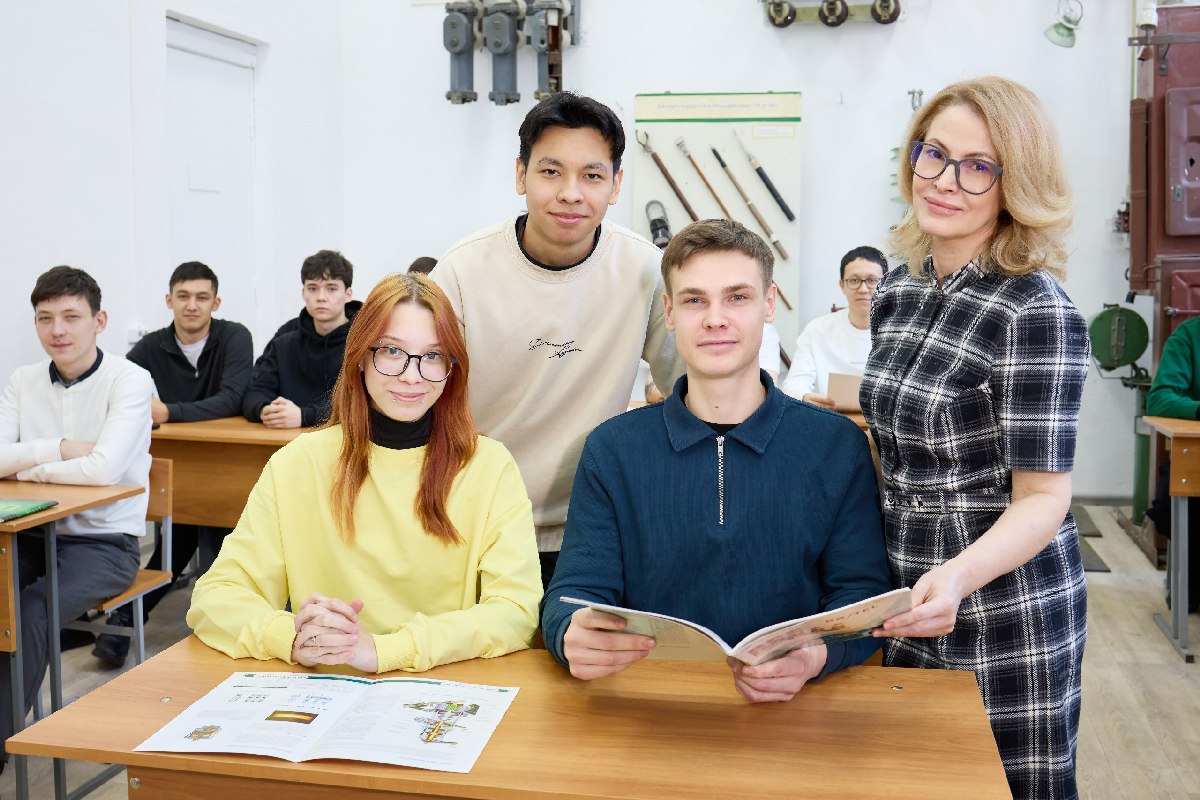
The educator emphasizes that today there is a high demand in the labor market for graduates of engineering specialties. The electric power industry is developing rapidly, and students are invited to work as early as their fourth year of study.
Many graduates of previous years successfully work in engineering positions. In short, this is a promising field — something for 2026 applicants to keep in mind.
KRU Admissions Office
- Address: 118 Tauelsizdik St., Kostanay, Room 130
- Email: talapker@ksu.edu.kz
- Instagram: @kru_kst_priyem
- Telegram bot: @Talapker_KRU_AB_bot
- Phone: +7 (7142) 54-28-49
- WhatsApp: +7-775-155-04-00, +7-707-815-78-22, +7-777-391-91-77