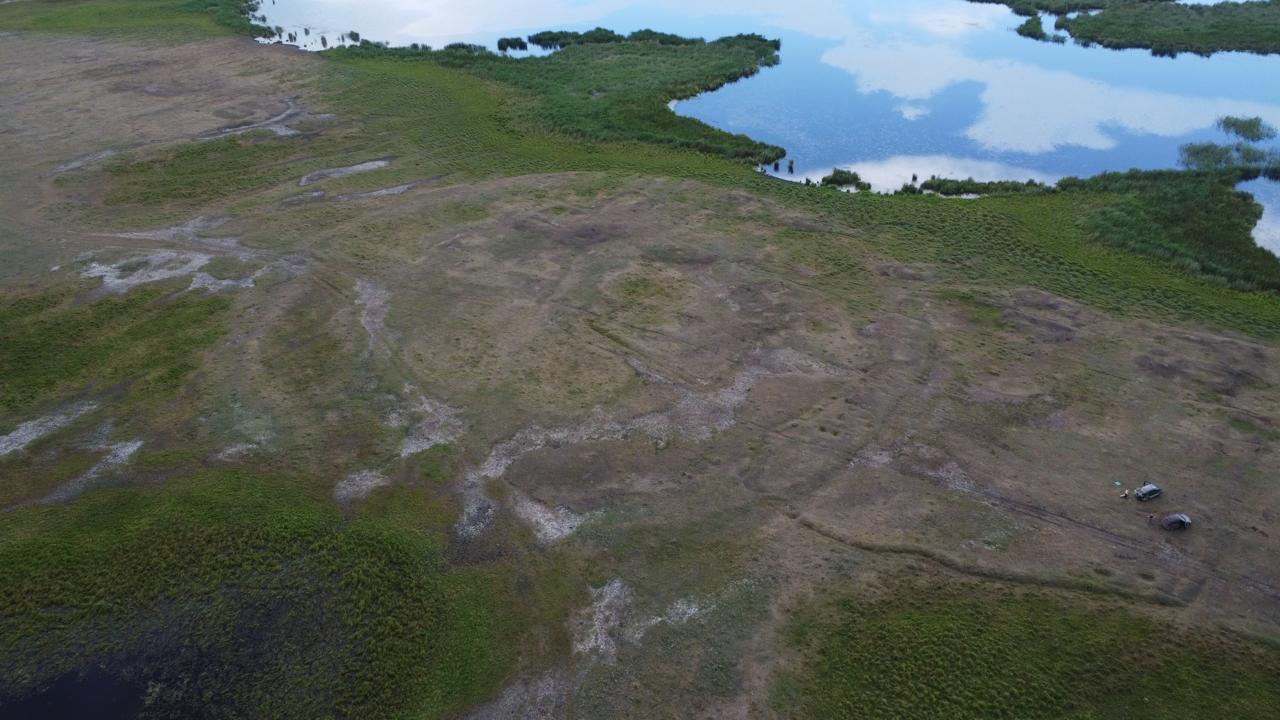
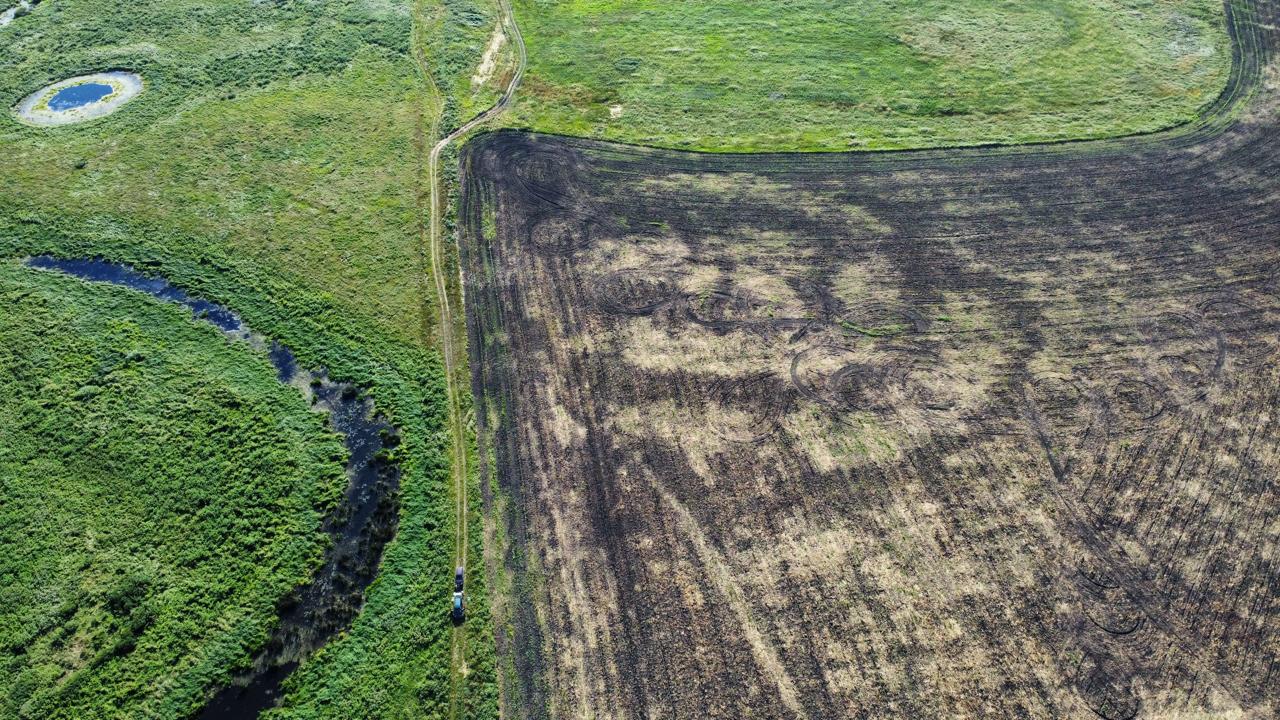
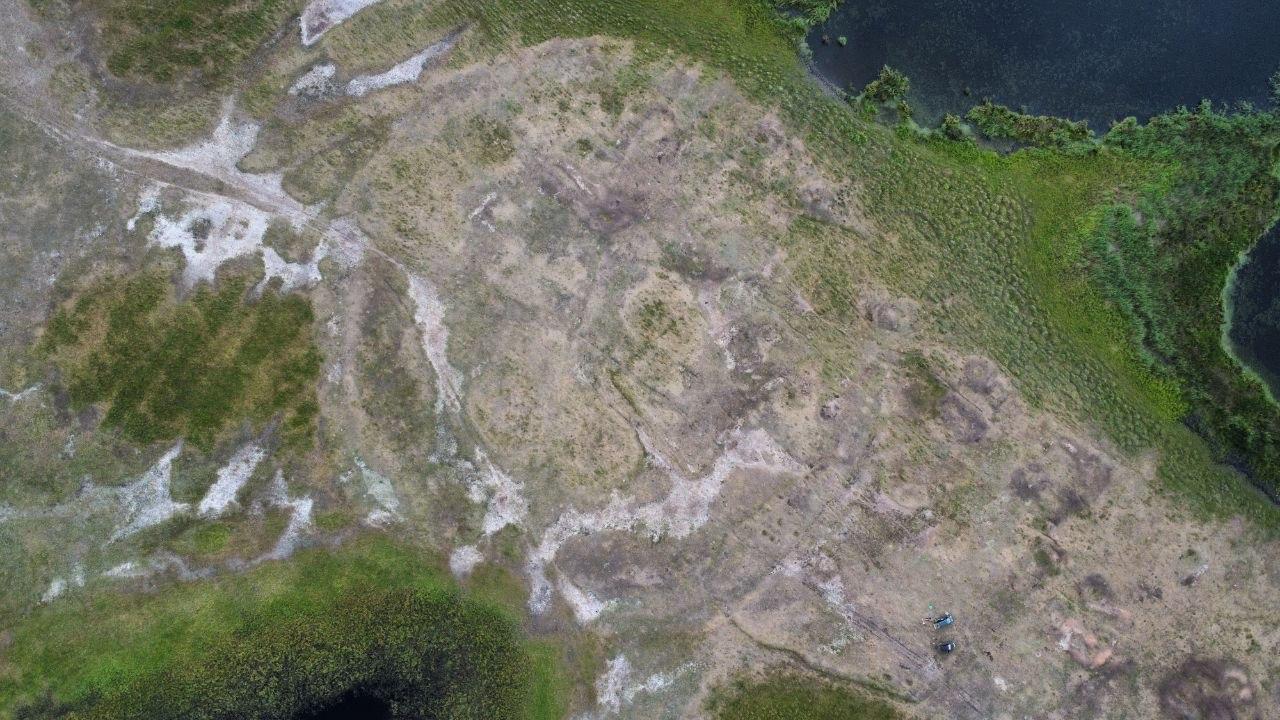
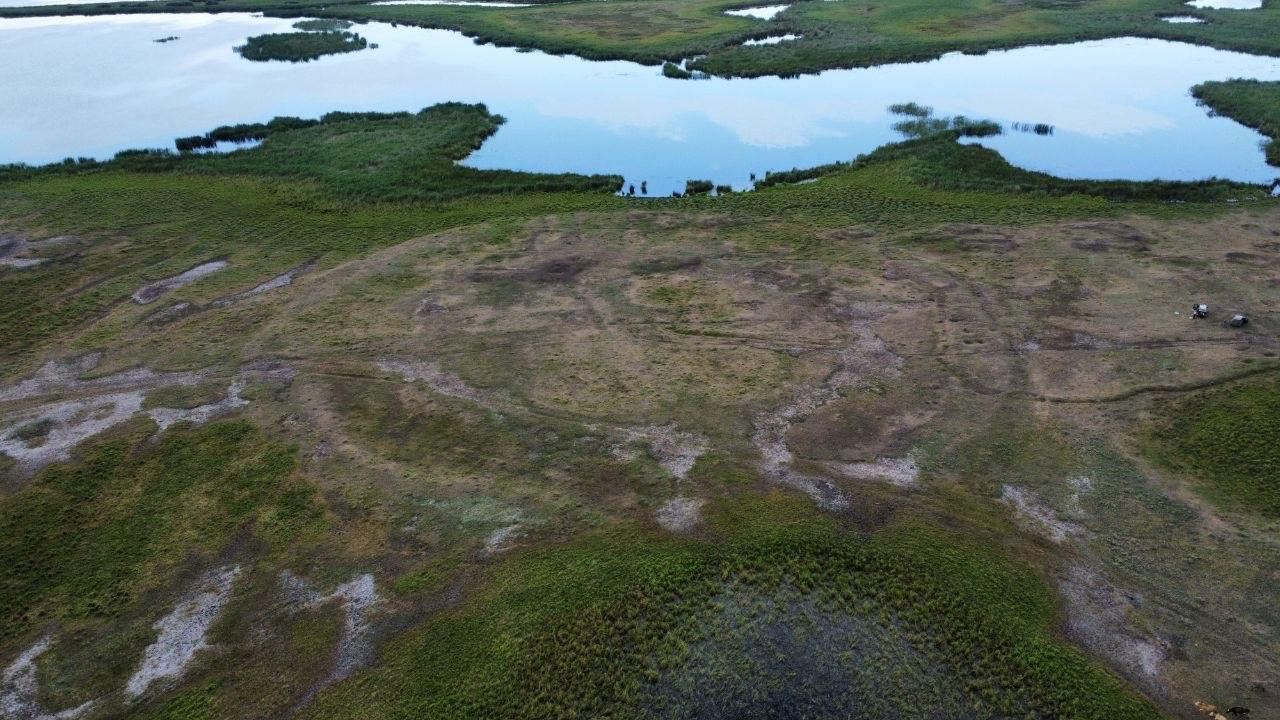
During the 2026 field season, researchers from Akhmet Baitursynuly Kostanay Regional University, together with colleagues from Chelyabinsk State University and the Arkaim Museum-Reserve, conducted an archaeological survey in the valleys of the Tobol and Obagan rivers. Their primary objective was to determine whether the area contained fortified settlements similar to the famous Arkaim archaeological site.
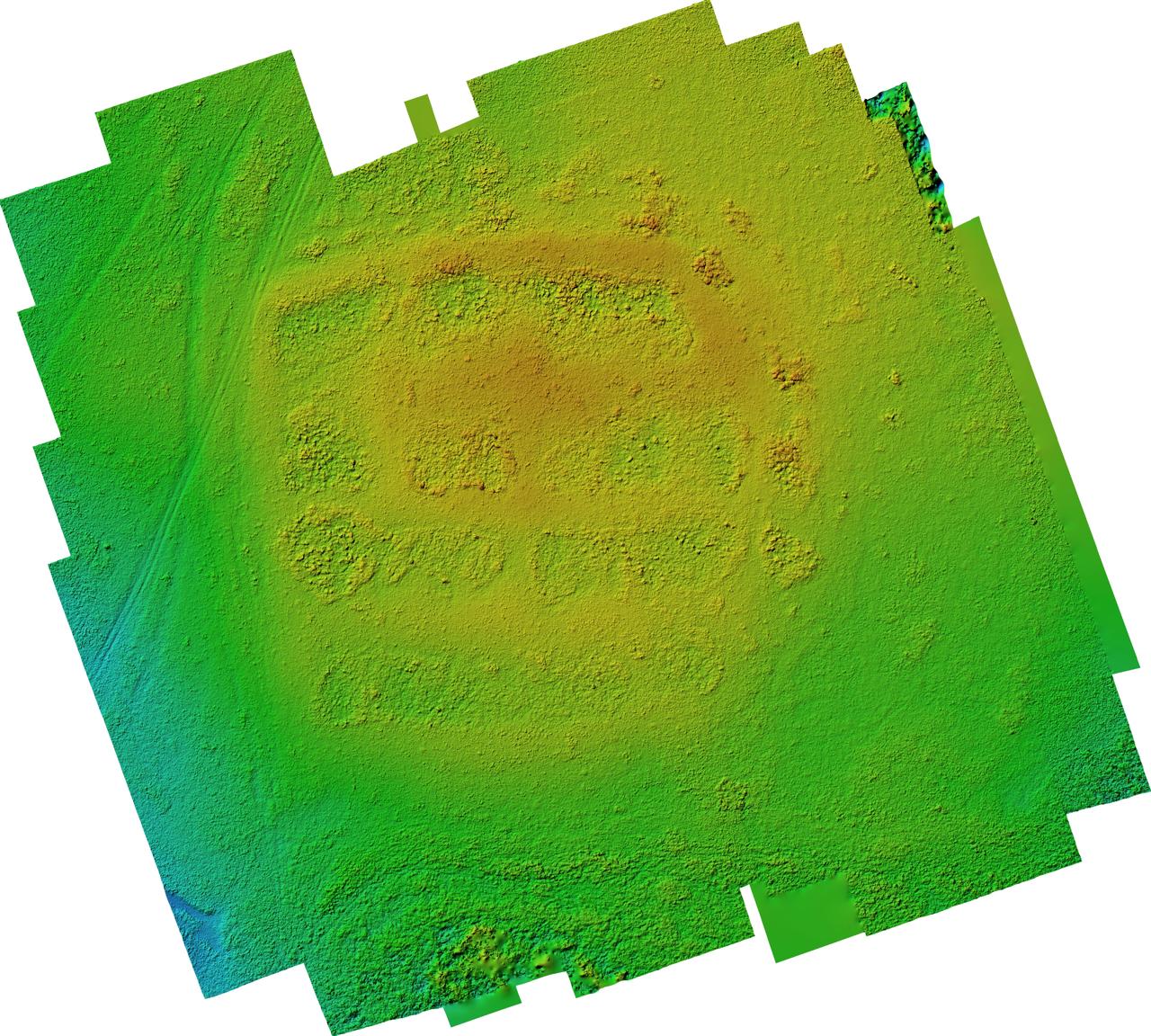
The research was prompted by eight sites previously identified in satellite imagery by Ural archaeologist Alexey Strakhov and Nikolay Soldatkin, a researcher at the Institute of History and Archaeology of the Ural Branch of the Russian Academy of Sciences. Their unusual shapes suggested that they might be ancient Bronze Age settlements.
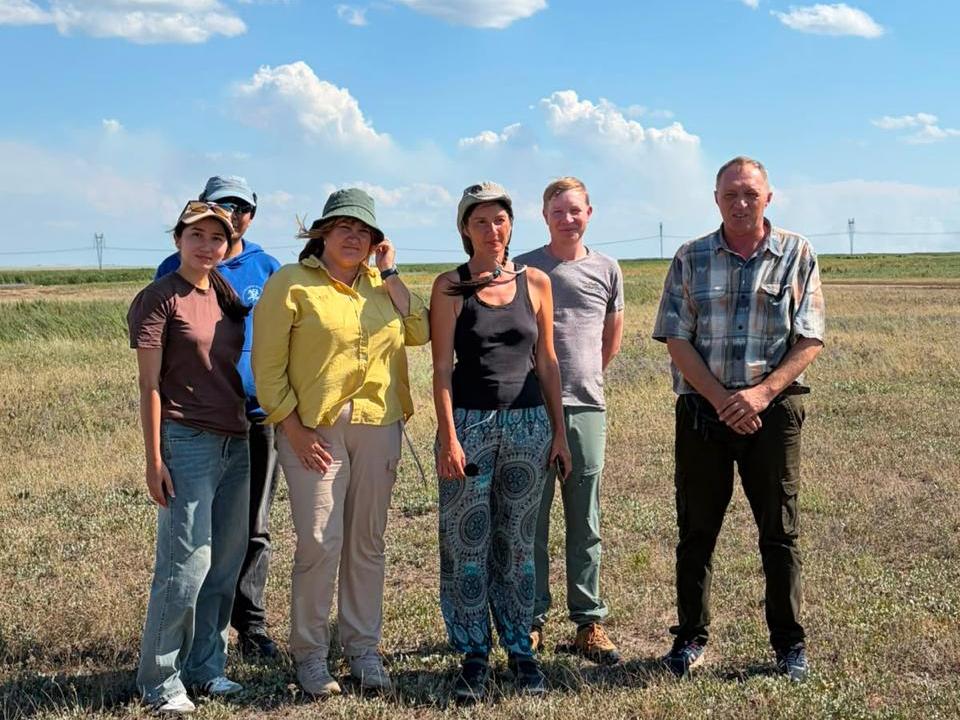
The fieldwork was led by Irina Shevnina and Andrey Logvin, Associate Professors at KRU. The expedition also included archaeologist Alexey Strakhov; Natalya Batanina, Head of the Department of Archaeology at Chelyabinsk State University; Almas Zhalelov, Researcher at the KRU Archaeological Laboratory; and students Galina Skoraya and Rustam Akhmetzhanov.
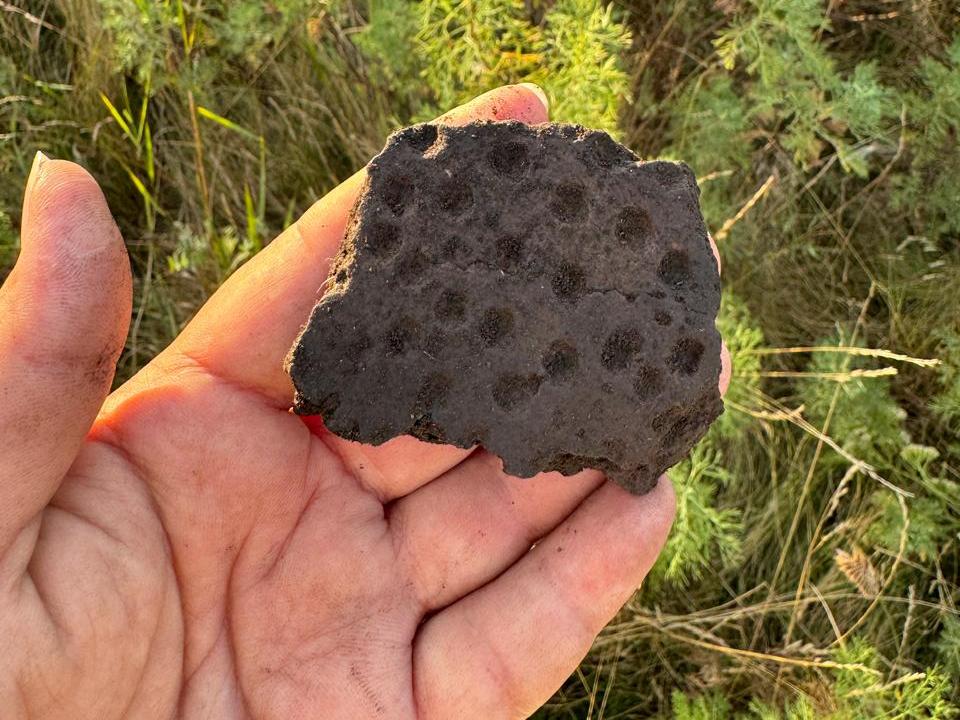
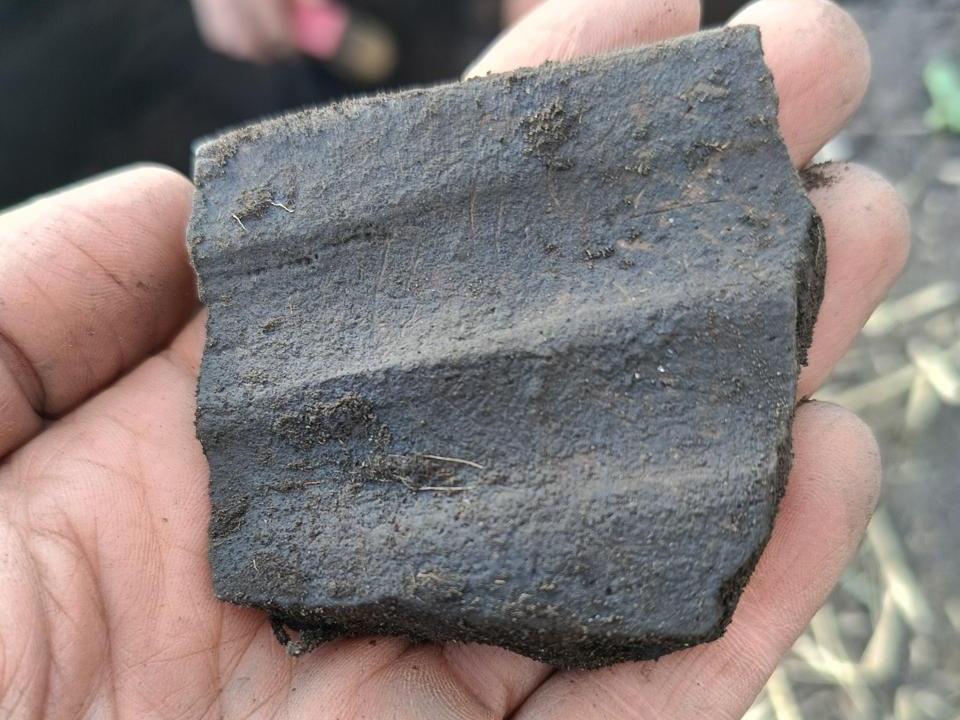
The results confirmed the researchers’ initial hypothesis. Bronze Age materials were discovered at six of the eight sites. Fragments of pottery associated with the Sintashta culture were found at one site, while metallurgical slag discovered at two others provides evidence of ancient metal production.
The study indicates that fortified settlements were distributed across a considerably wider area than previously believed—from the Ural region to the Ishim River. This expands current understanding of the geographical extent of the so-called “Country of Towns,” a network of ancient fortified settlements associated with the Sintashta-Petrovka cultural traditions approximately four thousand years ago.
In total, nine fortified settlements were identified during the 2026 field season—a remarkable achievement and a record of its kind.
For KRU, these discoveries represent an important contribution to the study of the ancient history of the Kostanay Region. The new findings demonstrate that Kazakhstan’s archaeological landscape still holds significant potential for discoveries capable of expanding our understanding of the Bronze Age and the ancient societies of the Eurasian steppe.