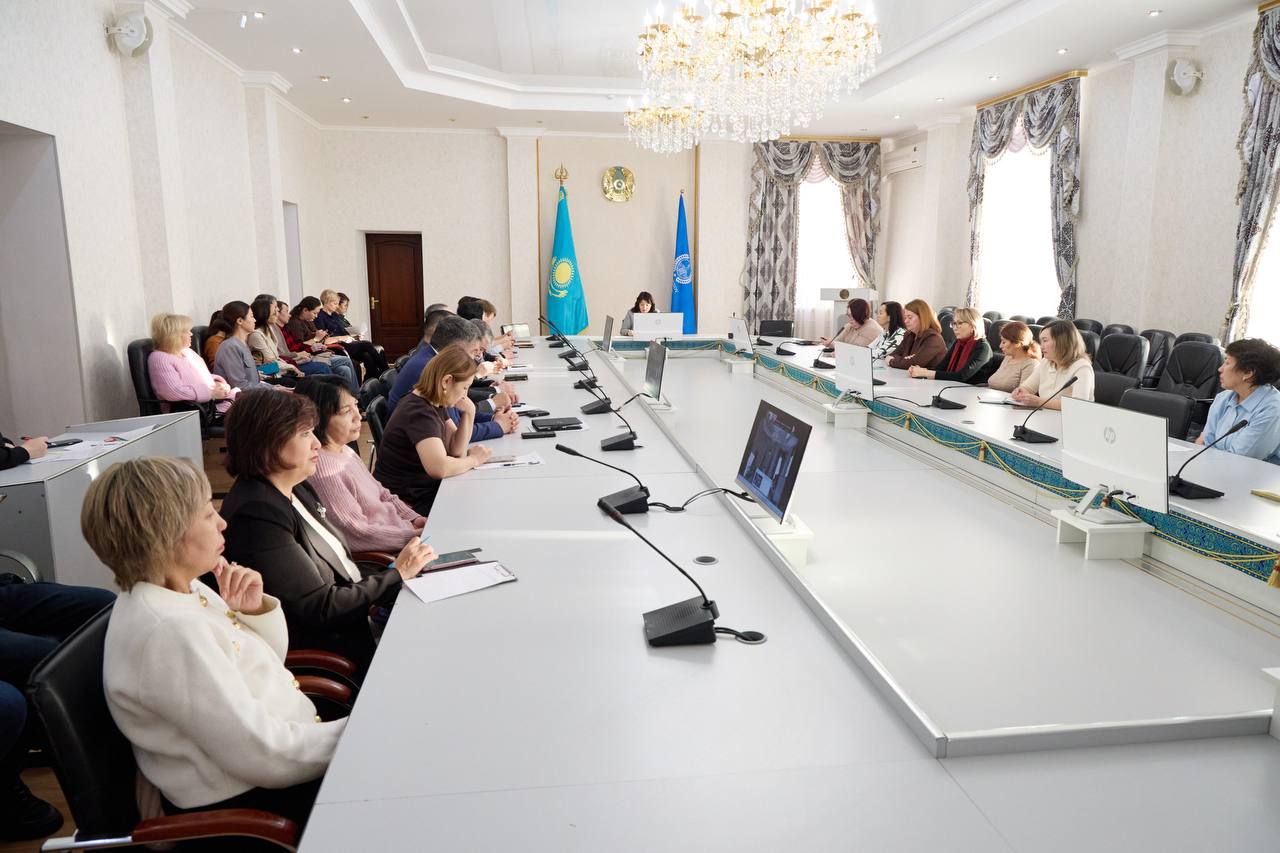
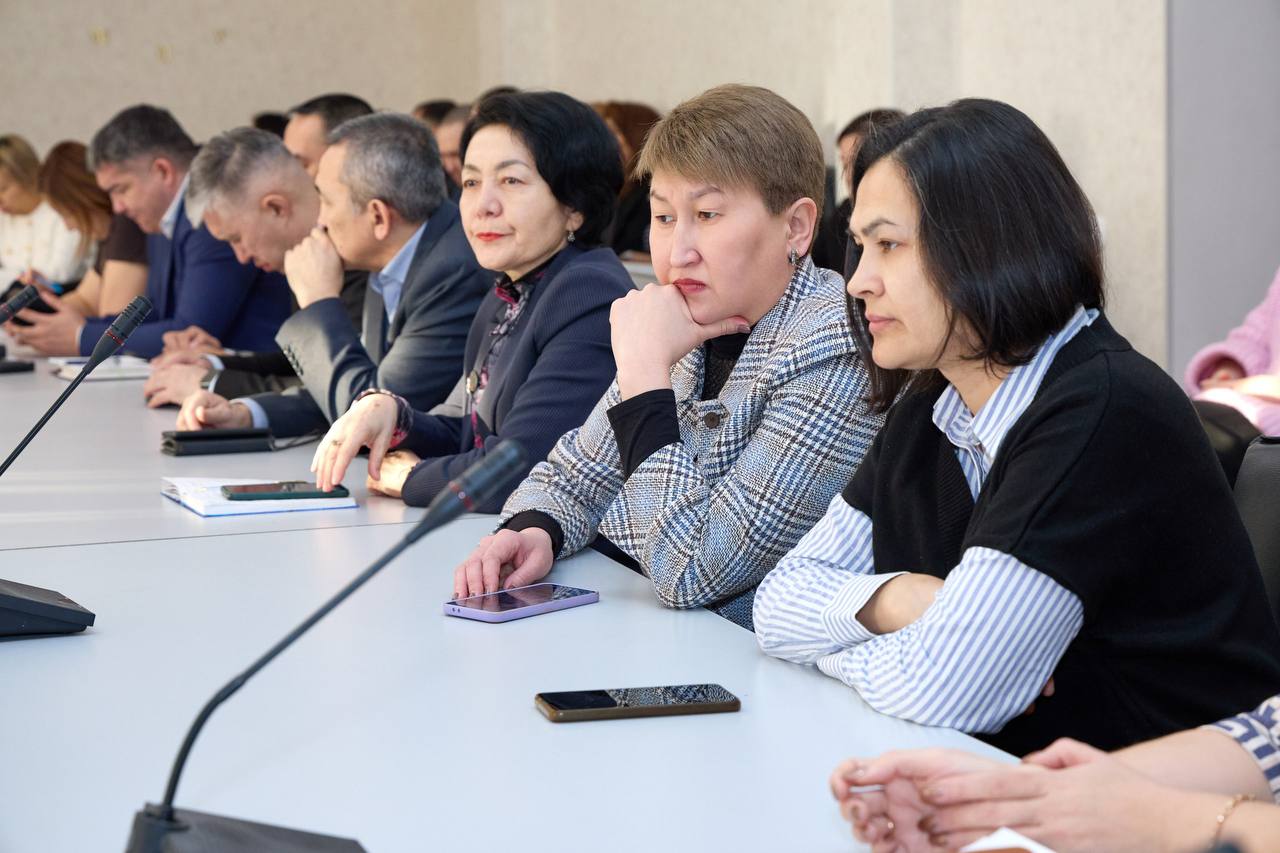
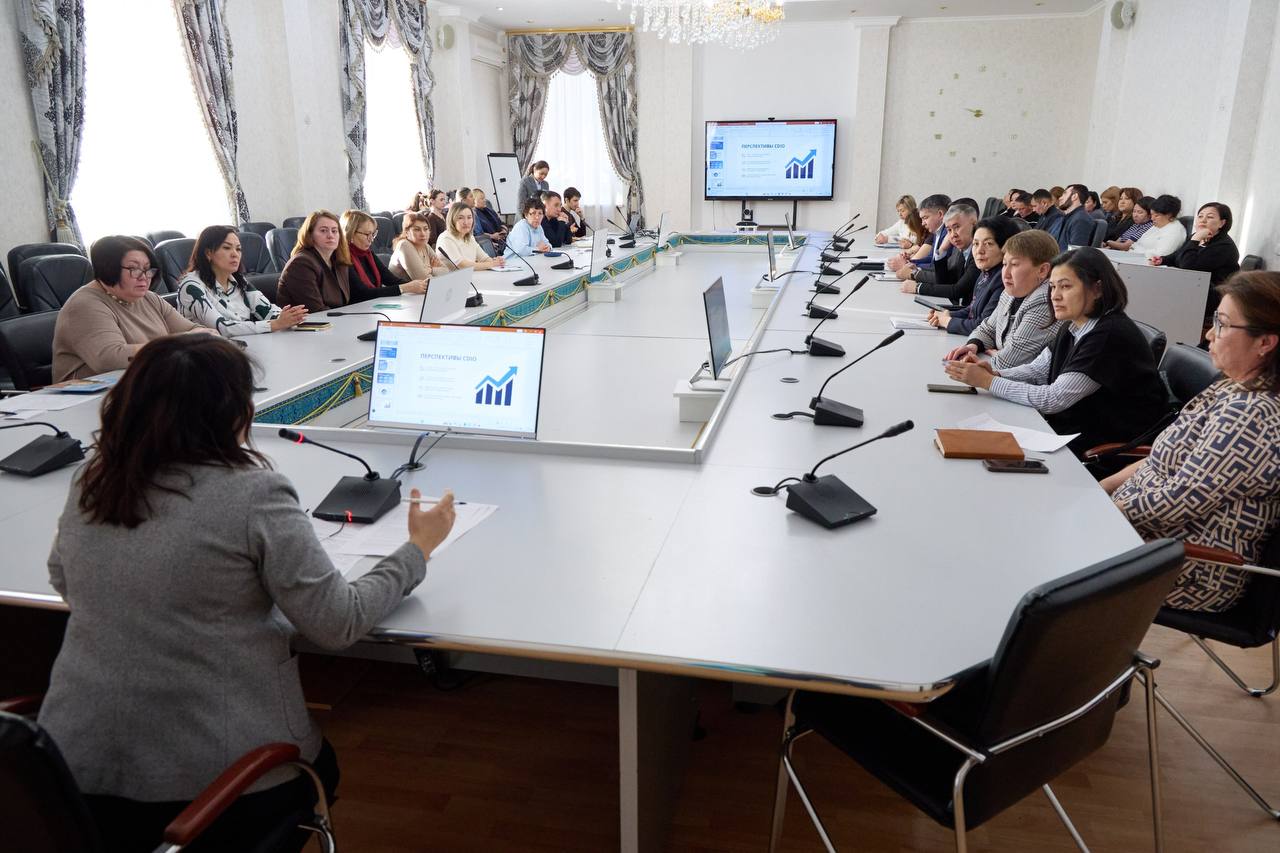
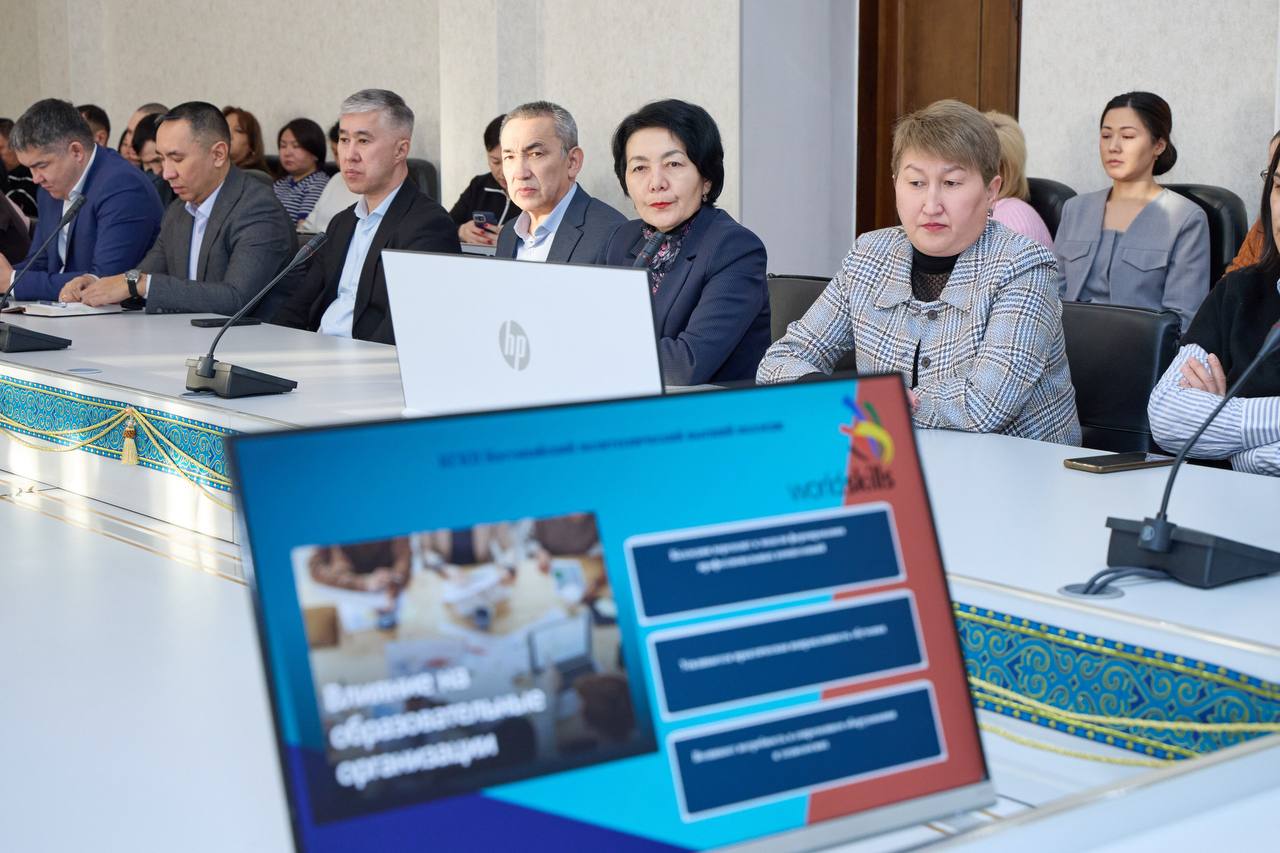
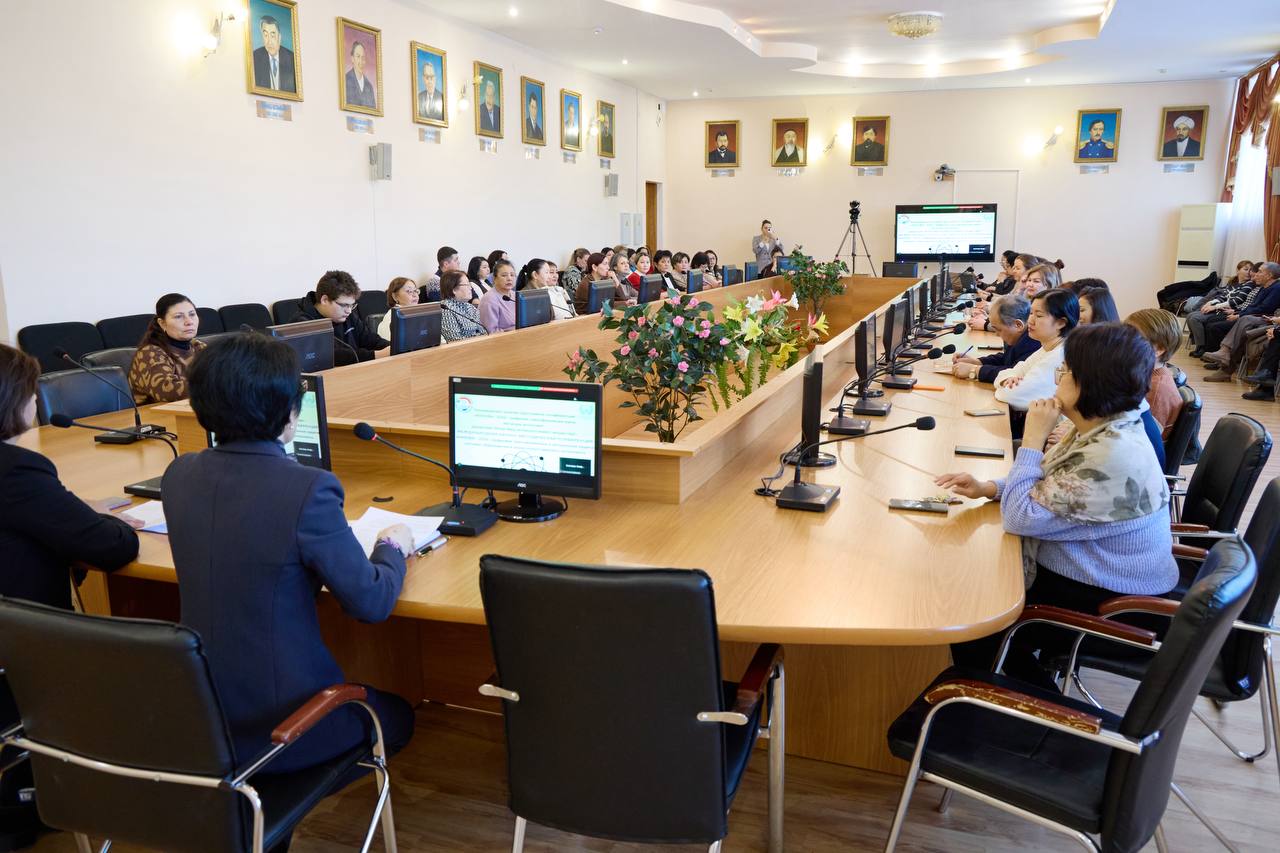
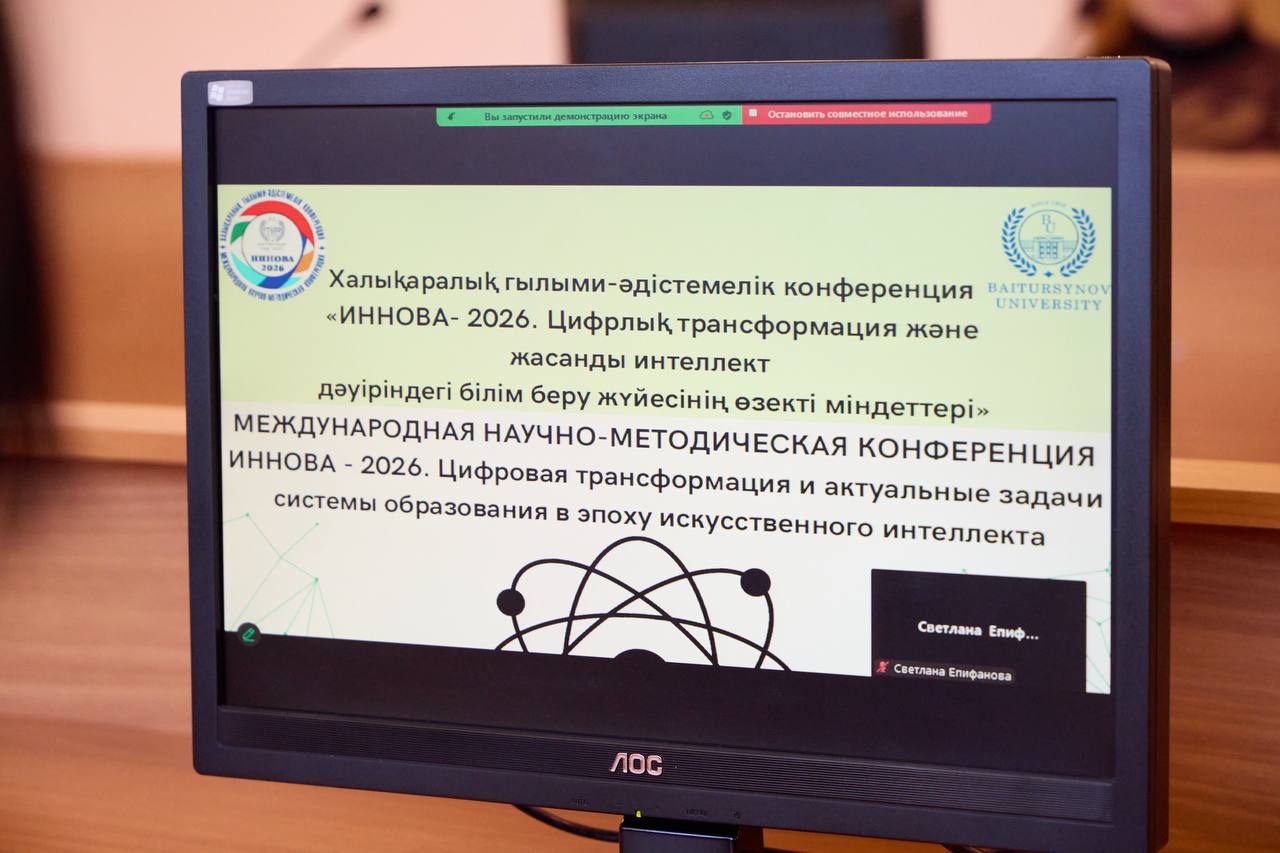
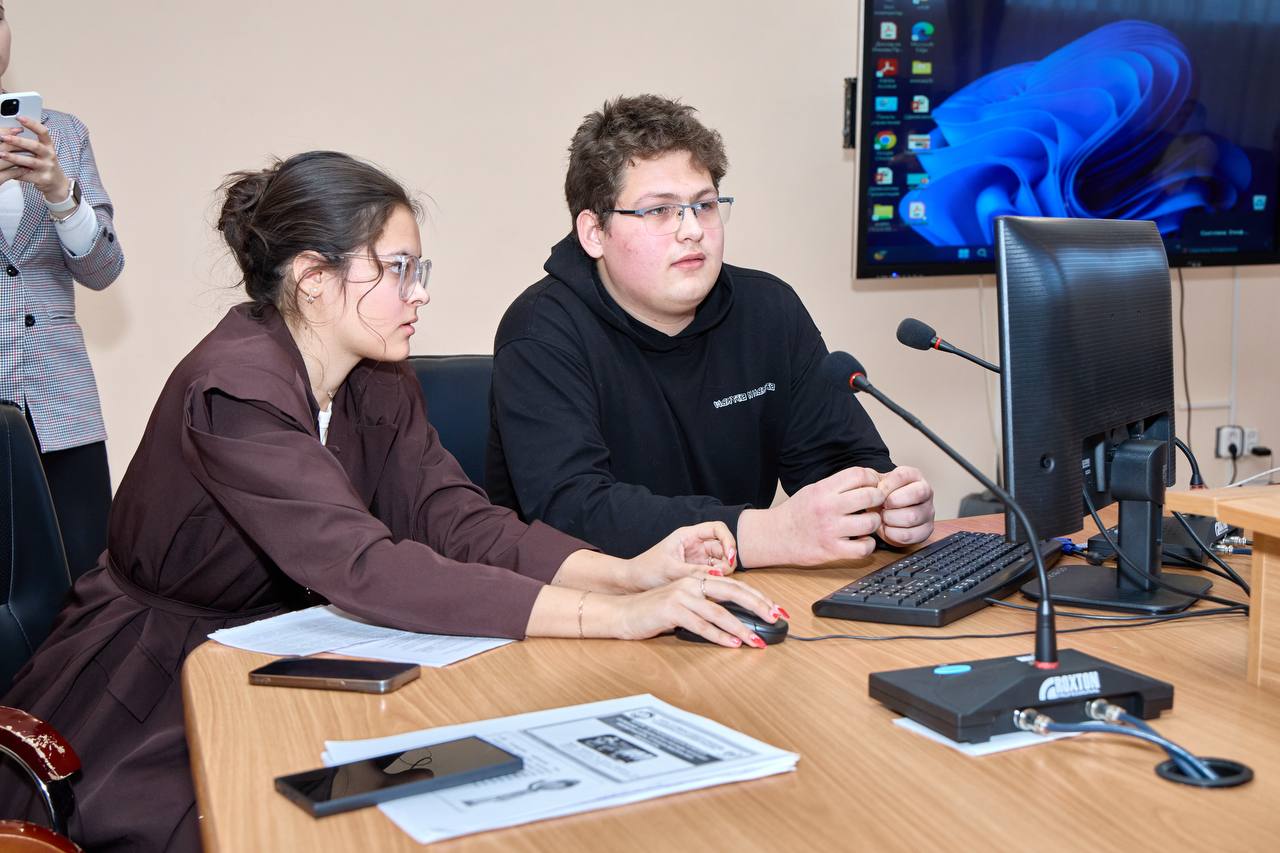
The Ahmet Baitursynuly Kostanay Regional University hosted the International Scientific and Methodological Conference INNOVA–2026: Digital Transformation and Current Challenges in the Education System in the Age of Artificial Intelligence.
The conference served as an important professional platform to discuss key directions for the development of the education system amid digital transformation and the active implementation of artificial intelligence technologies. It also brought together representatives from academia, employers, researchers, and practitioners.
More than 100 researchers and practitioners from various regions of Kazakhstan, as well as international colleagues, participated in INNOVA–2026, highlighting its interdisciplinary and international nature.
Opening the conference, the Vice-Rector for Academic Affairs, Elmira Nauryzbayeva, noted that modern education is undergoing profound changes, requiring updates to educational models, curriculum content, and the development of new professional competencies for teachers and administrative staff.
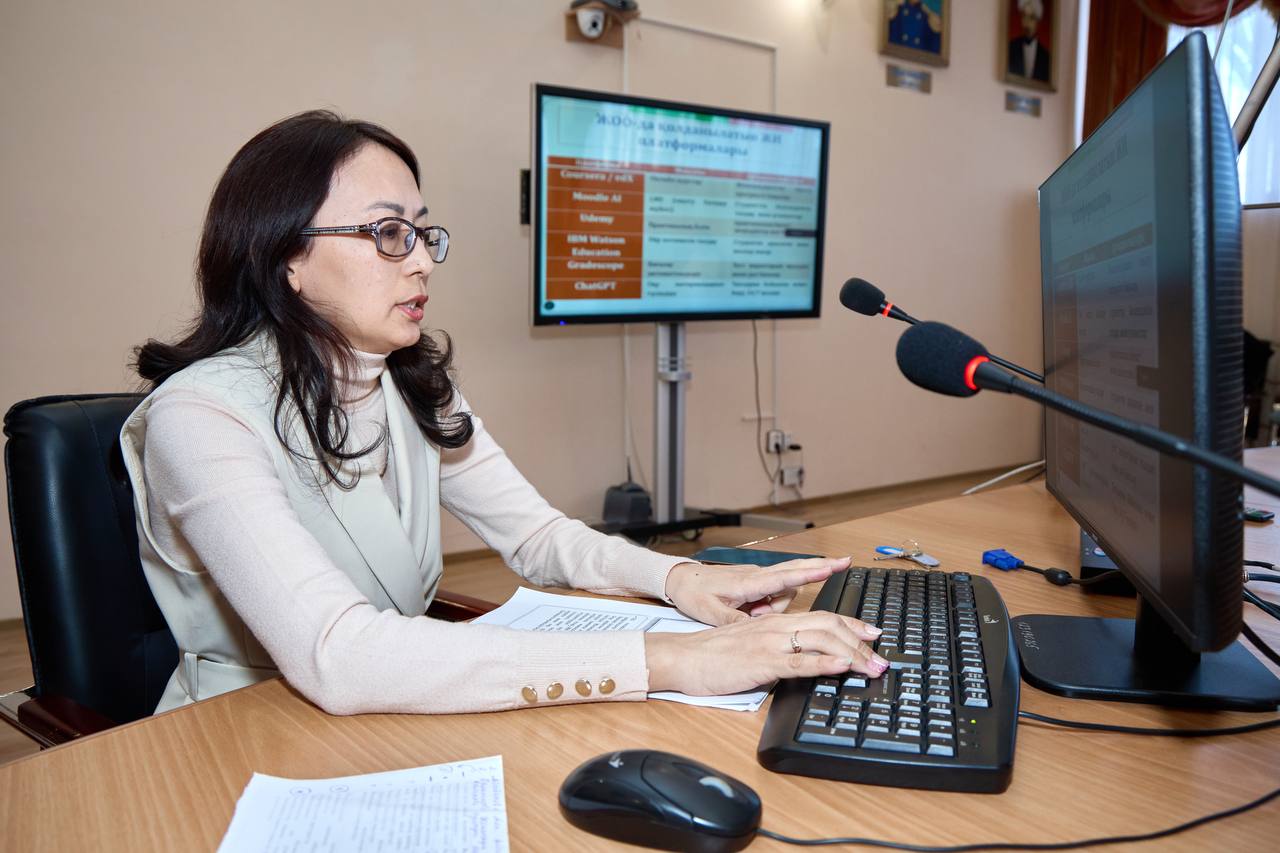
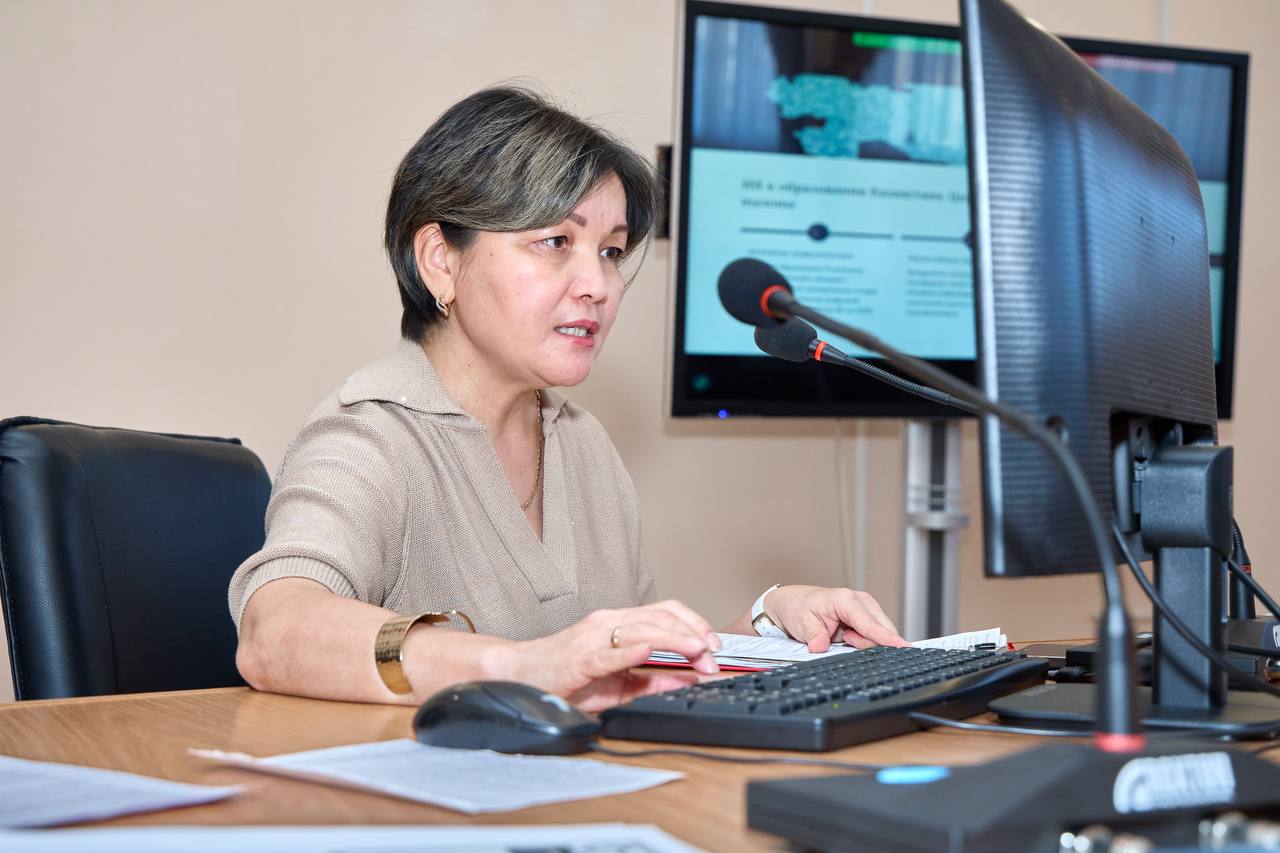
During the plenary session, speakers addressed pressing issues in education development and the active use of AI technologies across different fields. They also discussed new opportunities in digital education and the formation of in-demand competencies.
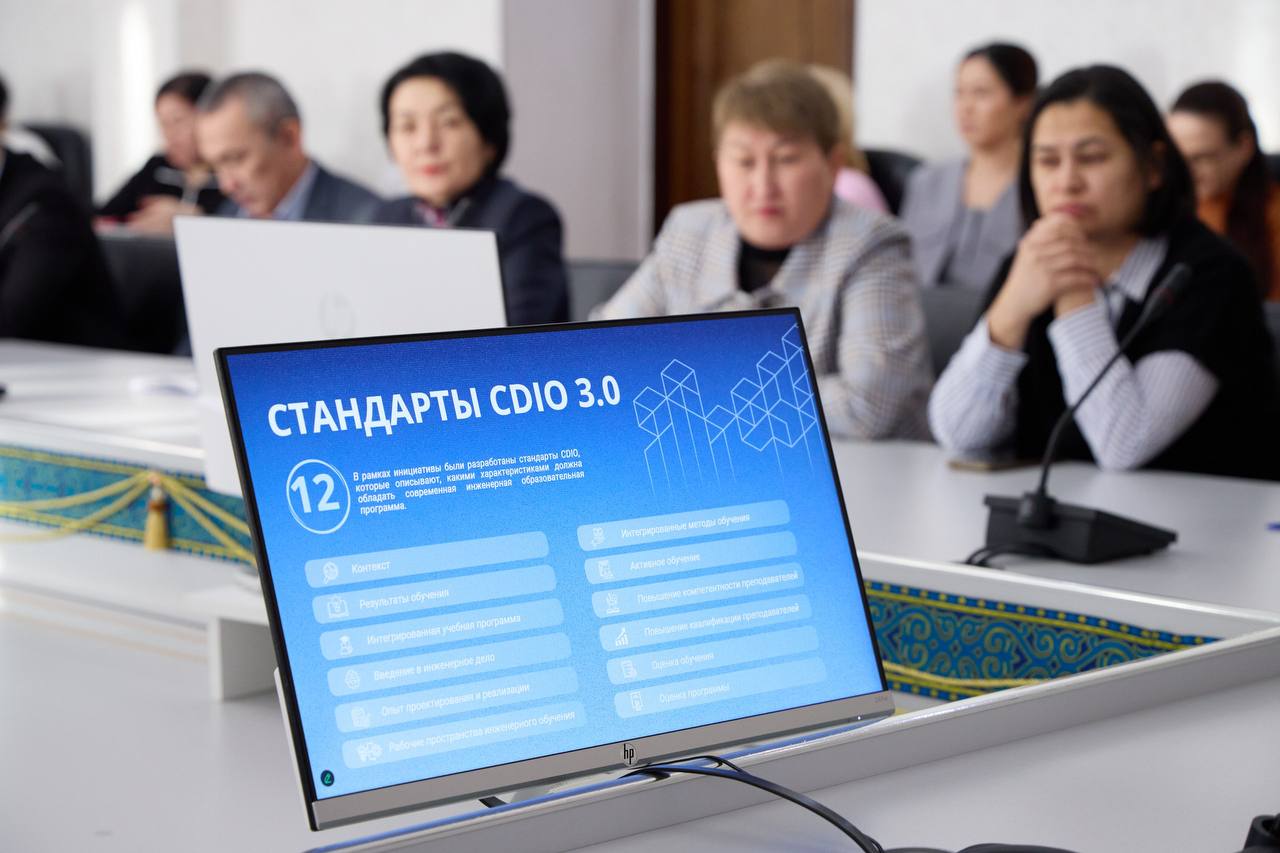
The main part of the conference continued with sectional sessions focused on four key areas: digital transformation in education, inclusive learning, development of the engineering and agricultural sector, and interdisciplinary approaches within the knowledge economy.
"Today, digitalization has become an integral part of education. We are introducing innovations to make learning more accessible and high-quality. However, there is a double-edged aspect," said Zheniskul Demisenova, Senior Lecturer of the Department of Physics, Mathematics, and Digital Technologies at KRU. "A mathematics teacher cannot blindly rely on neural networks. AI does not solve the problem—it simulates a solution by selecting the most likely options. In mathematics, where absolute accuracy is crucial, this poses significant risks. For example, the structure and terms may be correct, but the logical transition can be wrong, which is hard to detect. Or AI may correctly outline the solution process but make a simple mistake at the final step. AI cannot replace a math teacher, but a teacher skilled in AI and capable of critically evaluating its output will gain a tremendous advantage in today’s digital Kazakhstan."
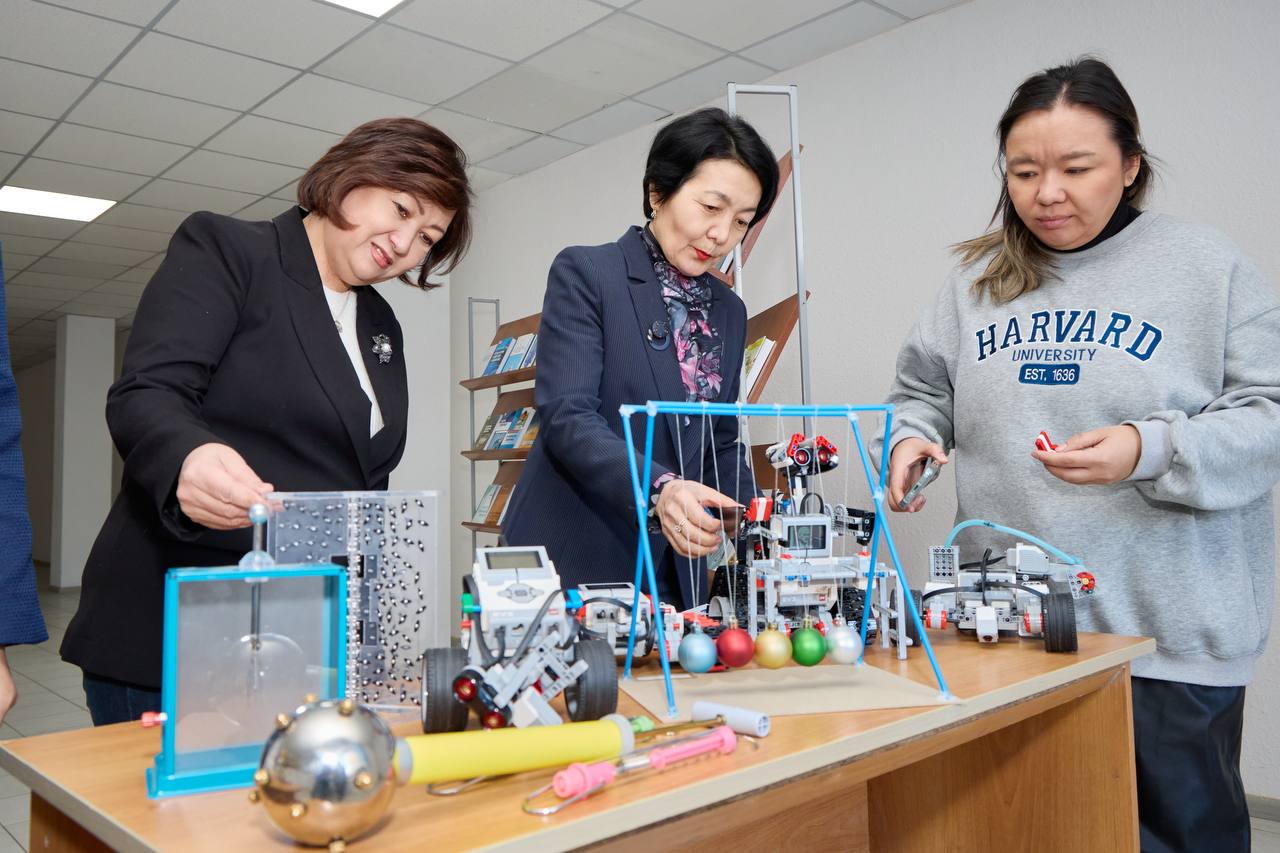
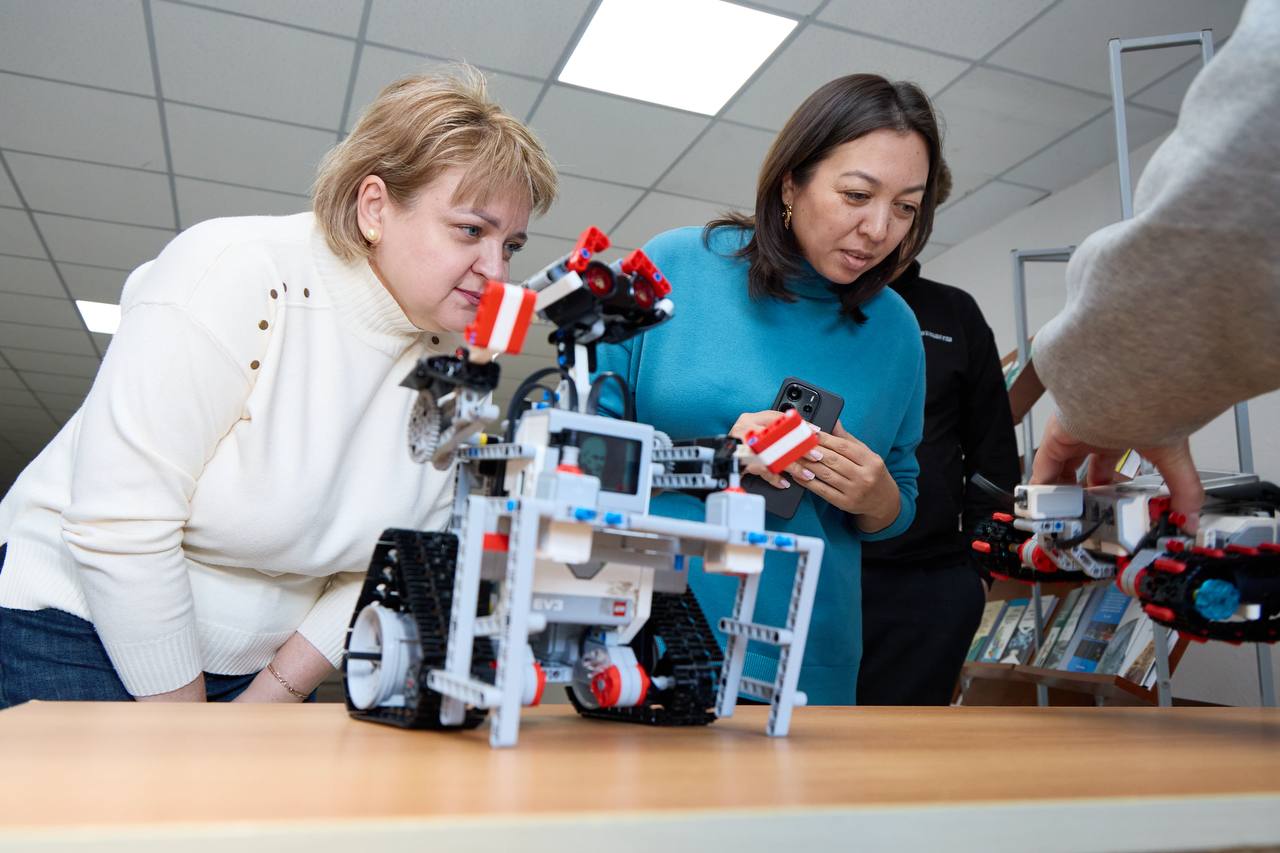
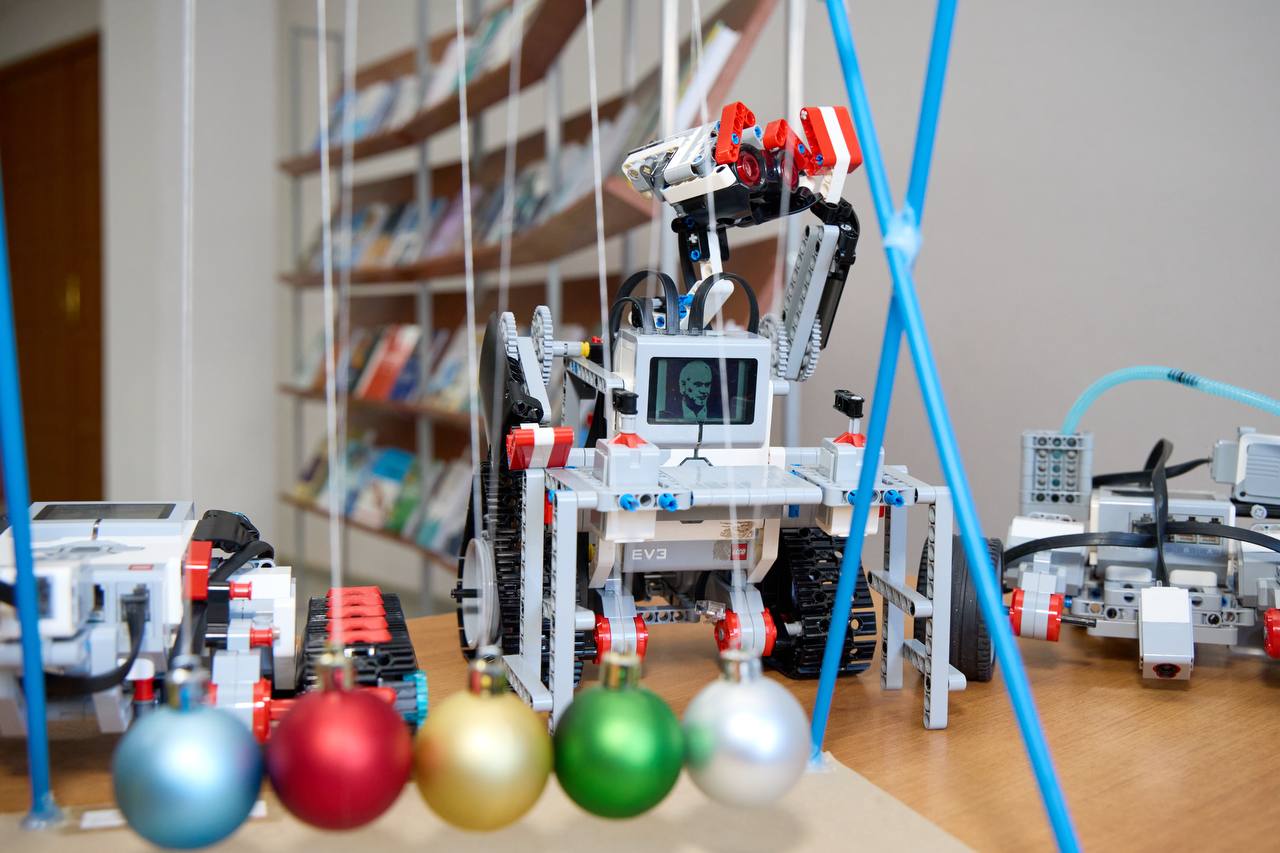
In addition, INNOVA–2026 featured panel discussions with employers, workshops, roundtables, and exhibitions of educational-methodological materials and robotics, demonstrating practical results of digitalization in education and research.
Participants highlighted the high level of professional dialogue and the practical significance of the materials presented.
The outcomes and recommendations of INNOVA–2026 will serve as a foundation for further academic and administrative decisions aimed at improving education quality and supporting sustainable university development in the context of digital transformation.