How can artificial intelligence and drones help farmers protect their harvests? Students at Baitursynuly University are offering an answer. Their intelligent crop disease detection system was presented at the international AI & Digital Bridge 2026 forum in Astana.
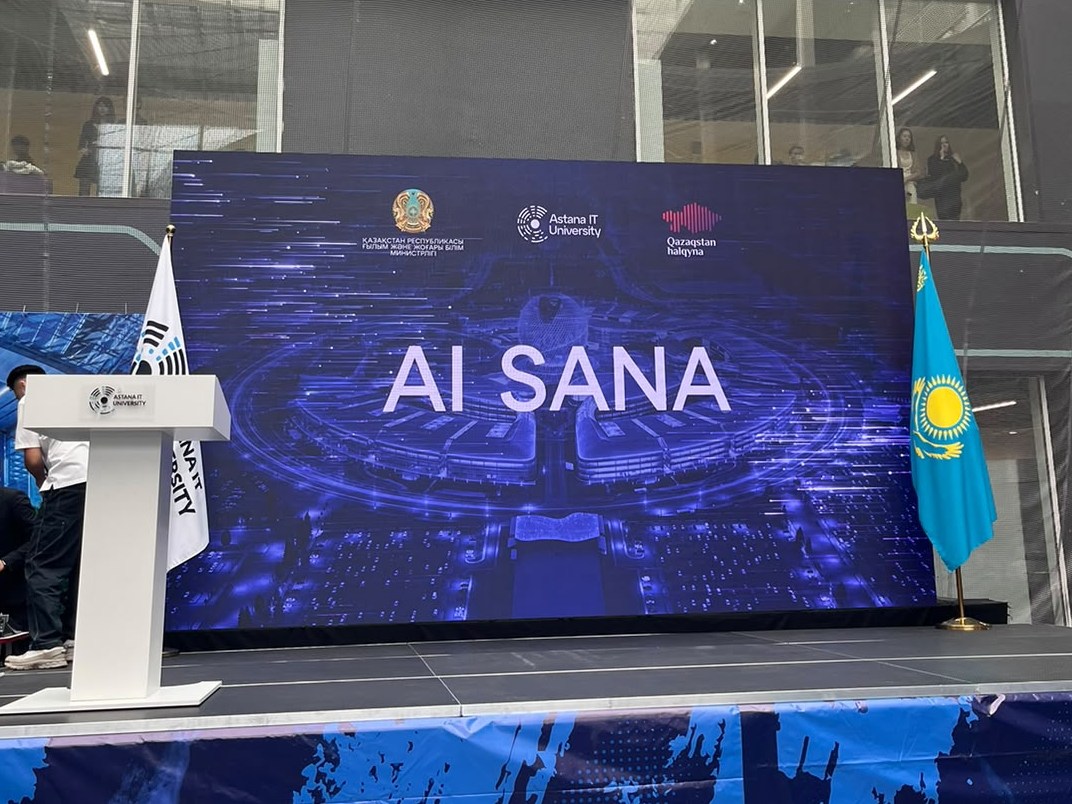
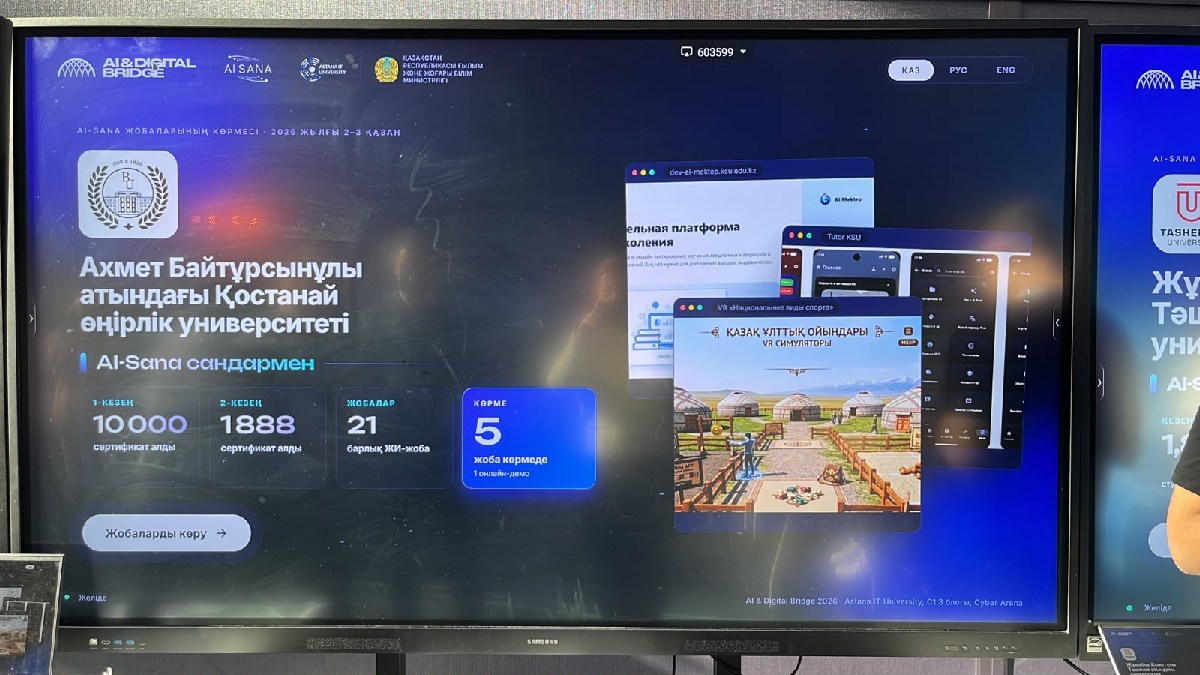
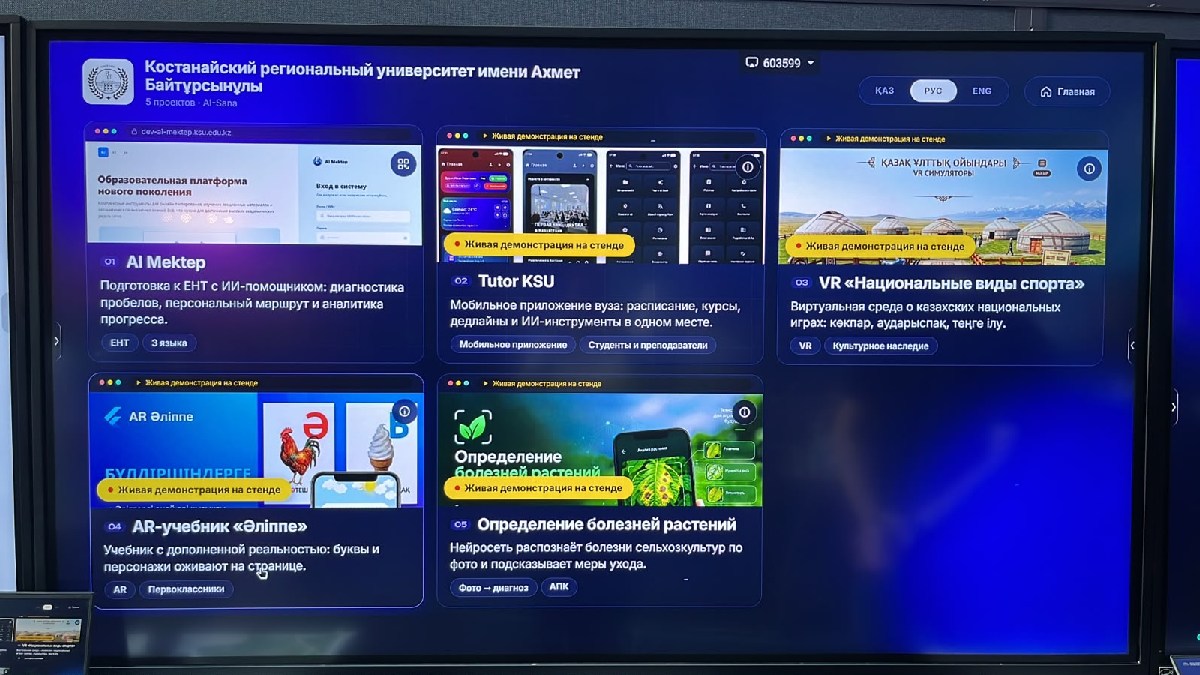
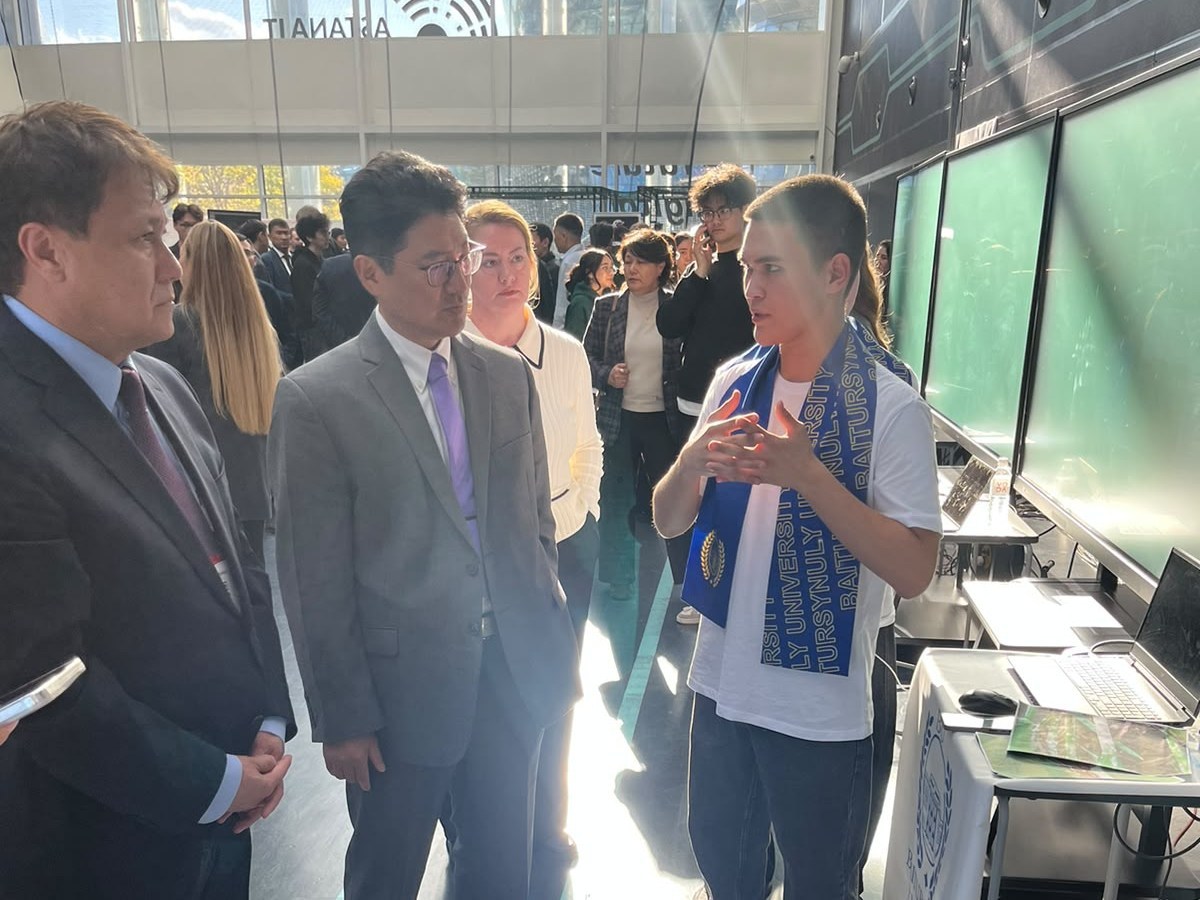
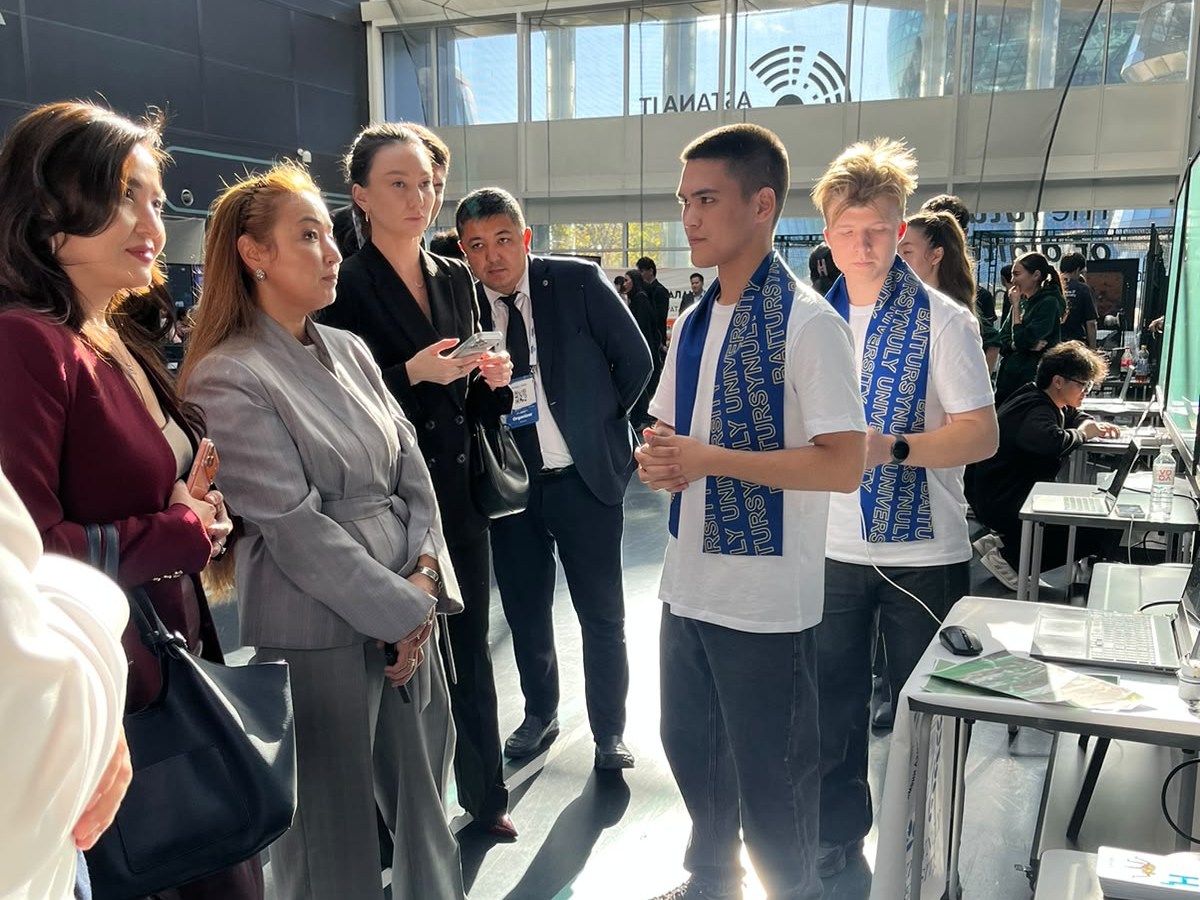
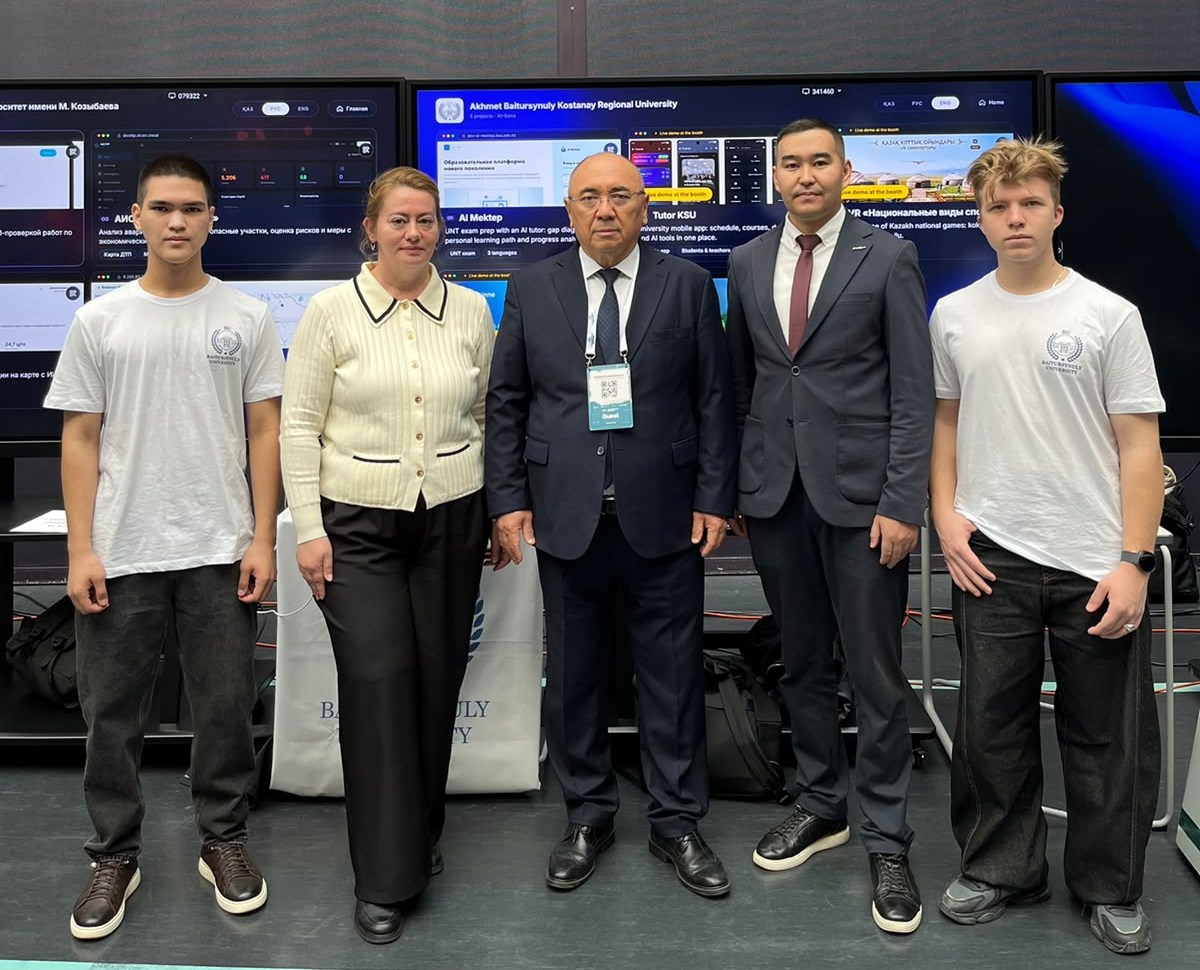
The university team showcased its work at the AI Sana exhibition, which brought together promising projects in artificial intelligence and digital technologies. Experts and forum participants explored five KRU student projects demonstrating applications of AI in education, culture and agriculture.
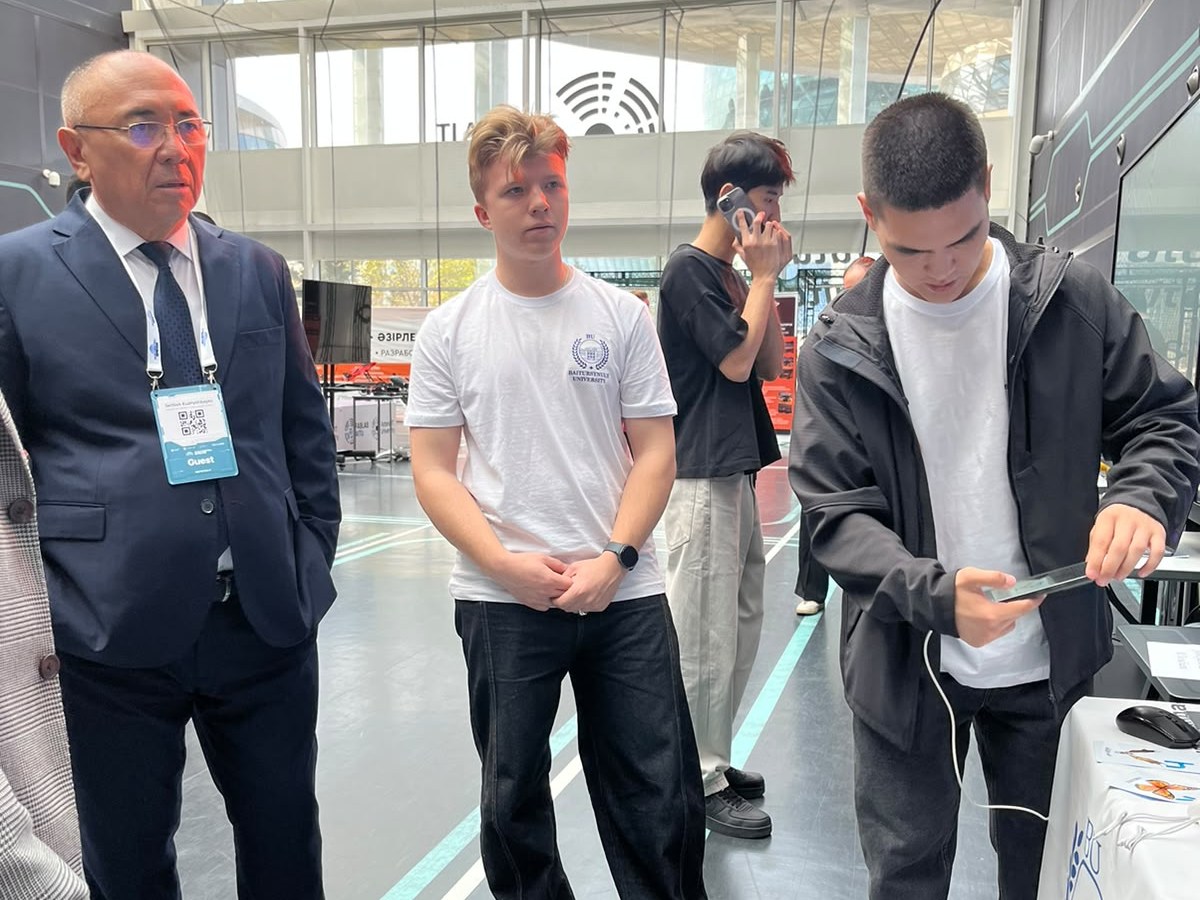
One of these was a plant disease detection system developed by Danil Rush and Zhangir Satmyrza, fourth-year students in the Information Technology and Robotics programme.
The idea behind the project is simple yet ambitious: help farmers detect plant diseases as early as possible, identify the problem and receive recommendations on what to do next.
The system works with images of plants. These can be taken during inspections on the ground or captured by a drone capable of quickly surveying large areas of farmland.
Artificial intelligence analyses the images, identifying characteristic signs of disease and highlighting areas of the field that need particular attention.
The students’ solution also goes beyond diagnosis.
Based on the problem detected, the system can suggest treatment options and suitable crop protection products. It can also help farmers find companies and suppliers from which to purchase them.
Farmers therefore receive more than photographs of their fields. They gain a digital decision-making tool that shows where a problem has been detected, which disease is suspected, what action could be taken and where the necessary products can be found.
One of the project’s key advantages is remote monitoring. Drones can survey extensive areas, while artificial intelligence rapidly analyses the data collected.
This is particularly valuable in an agricultural region.
Agricultural technology, drones, artificial intelligence and data analysis can support a gradual shift from treating almost entire fields to precision agriculture, where attention and resources are directed specifically to areas where problems have been detected.
This approach could help identify diseases promptly, reduce crop losses, use crop protection products more efficiently and improve agricultural productivity.
For the project’s creators, the goal is not simply to demonstrate what artificial intelligence can do, but to prove its practical value.
Their work illustrates how university projects can move beyond the classroom and find applications in real sectors of the economy.