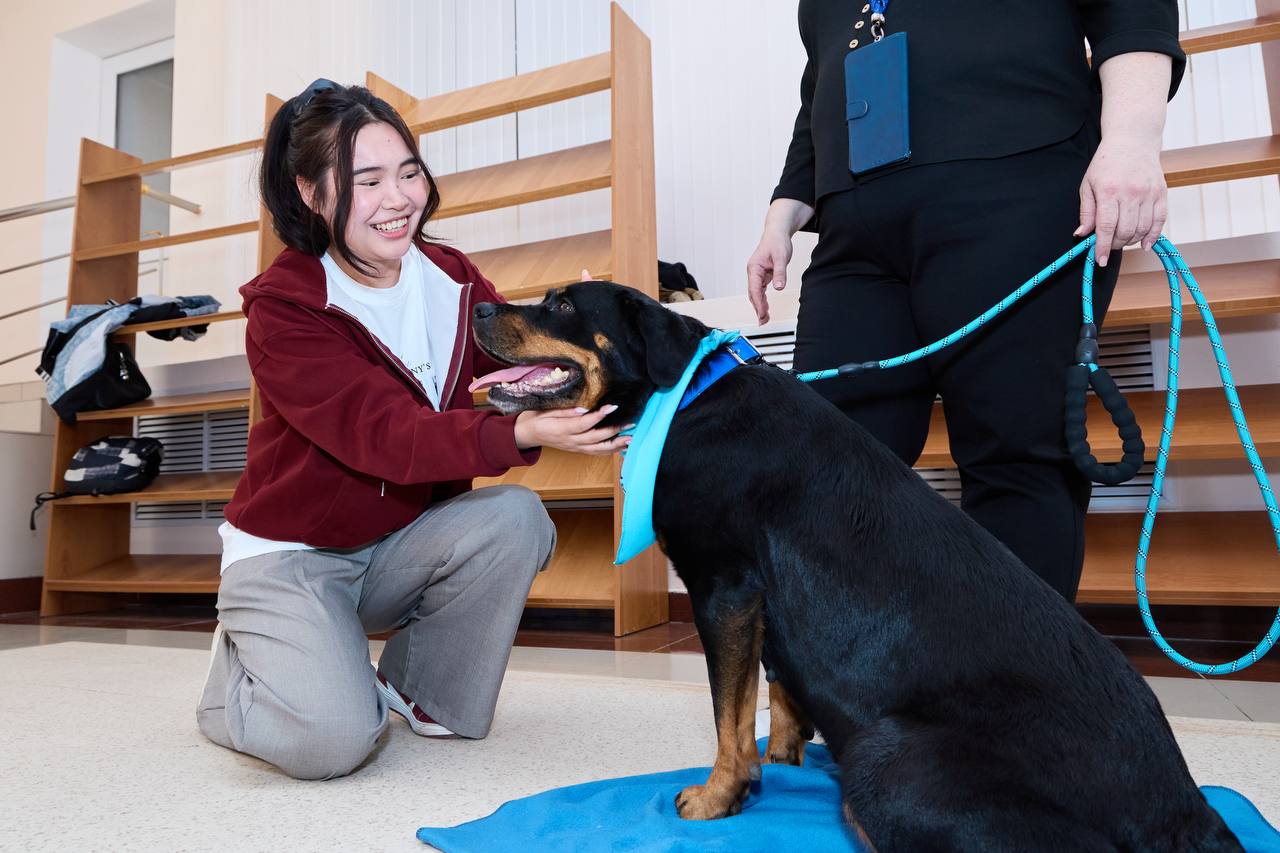
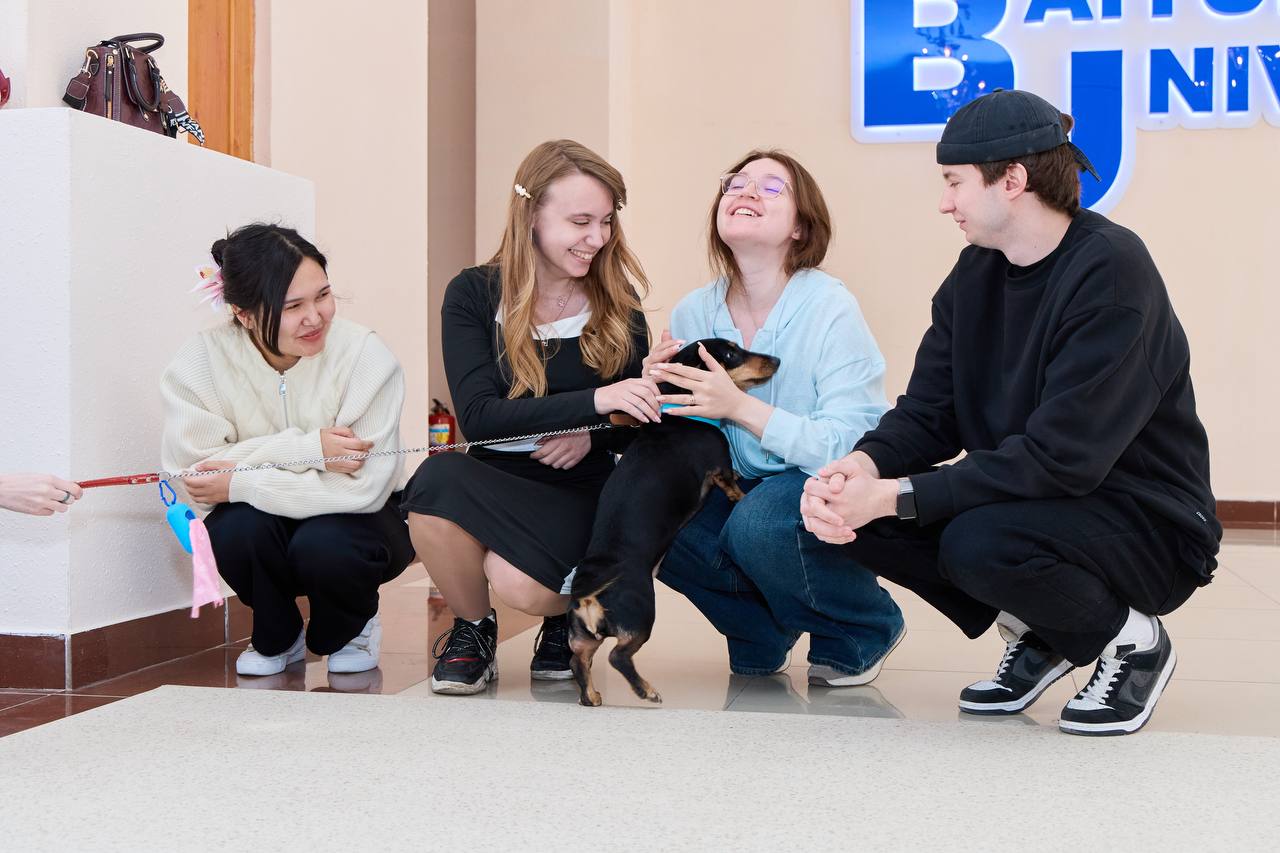
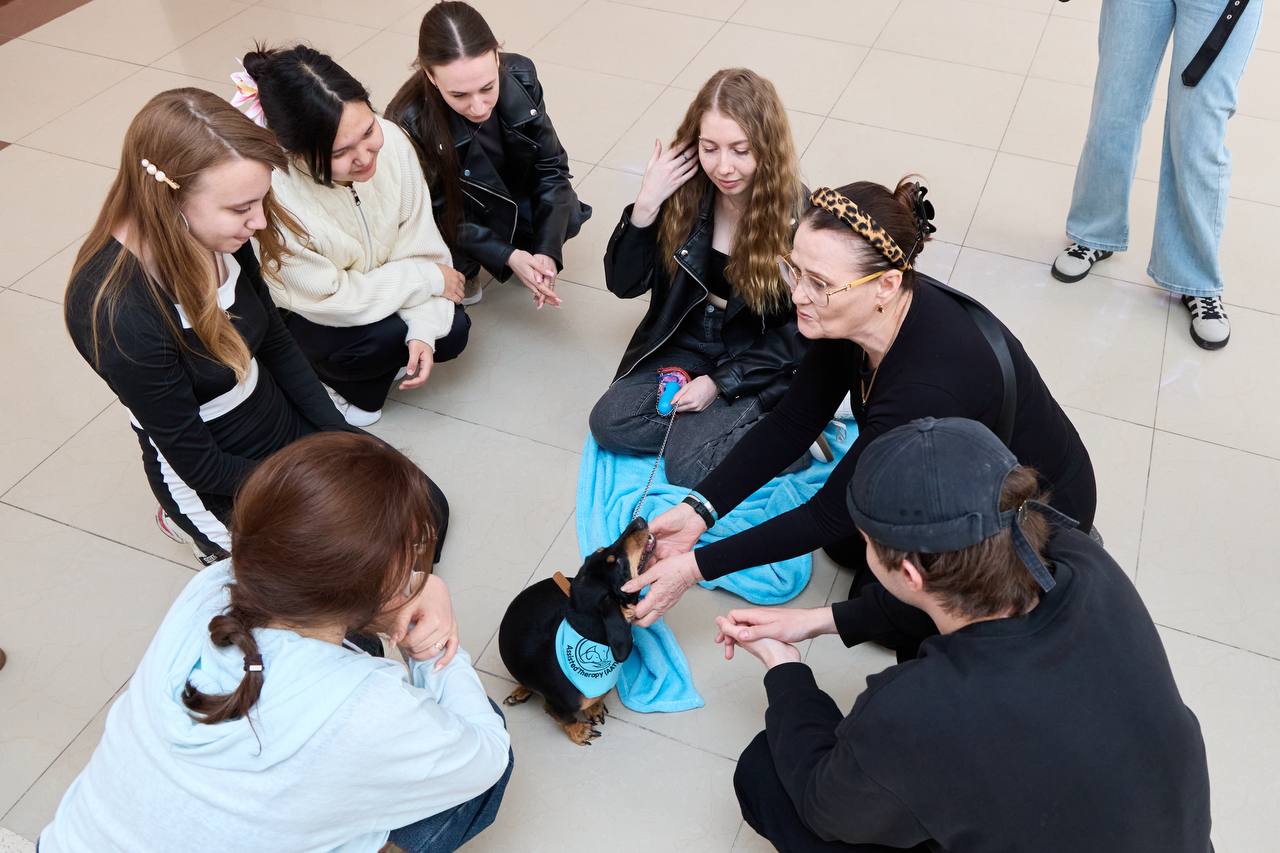
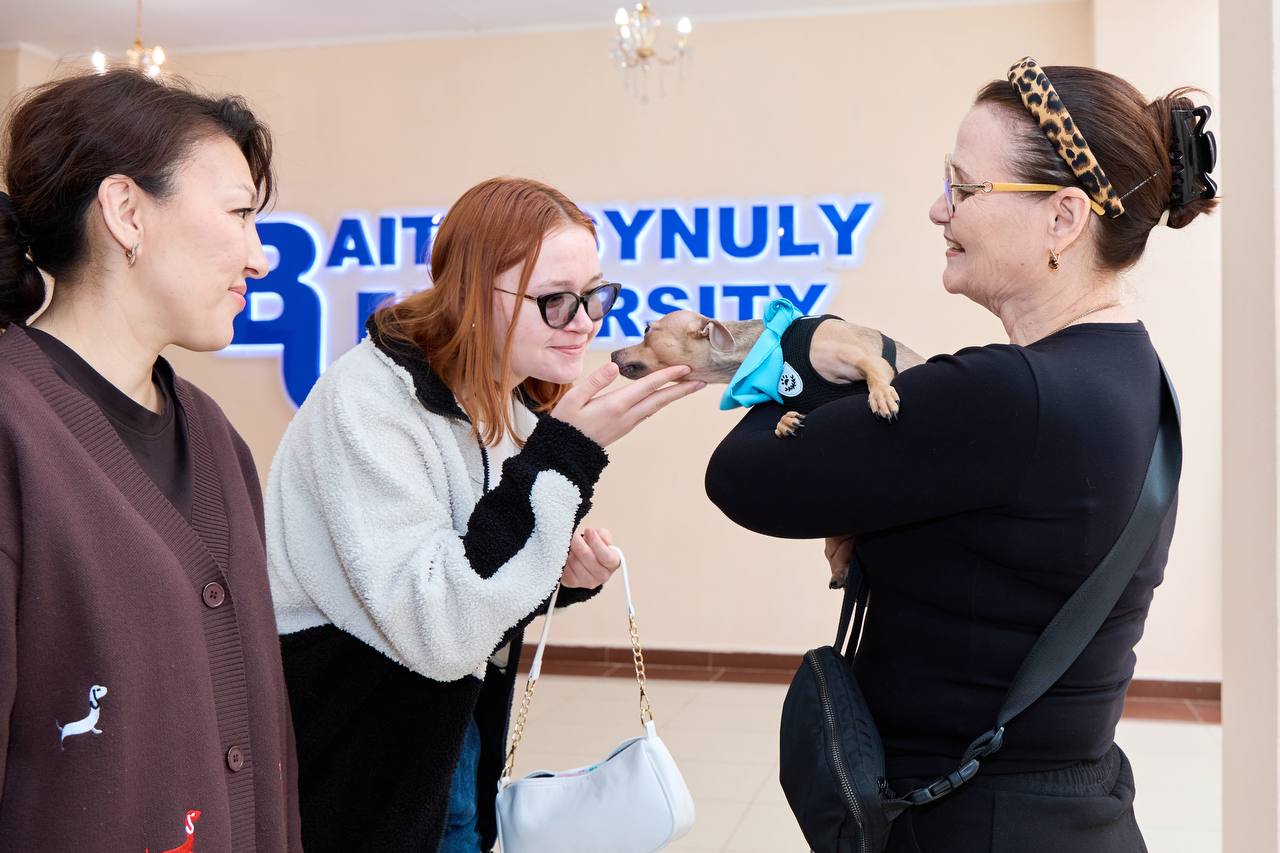
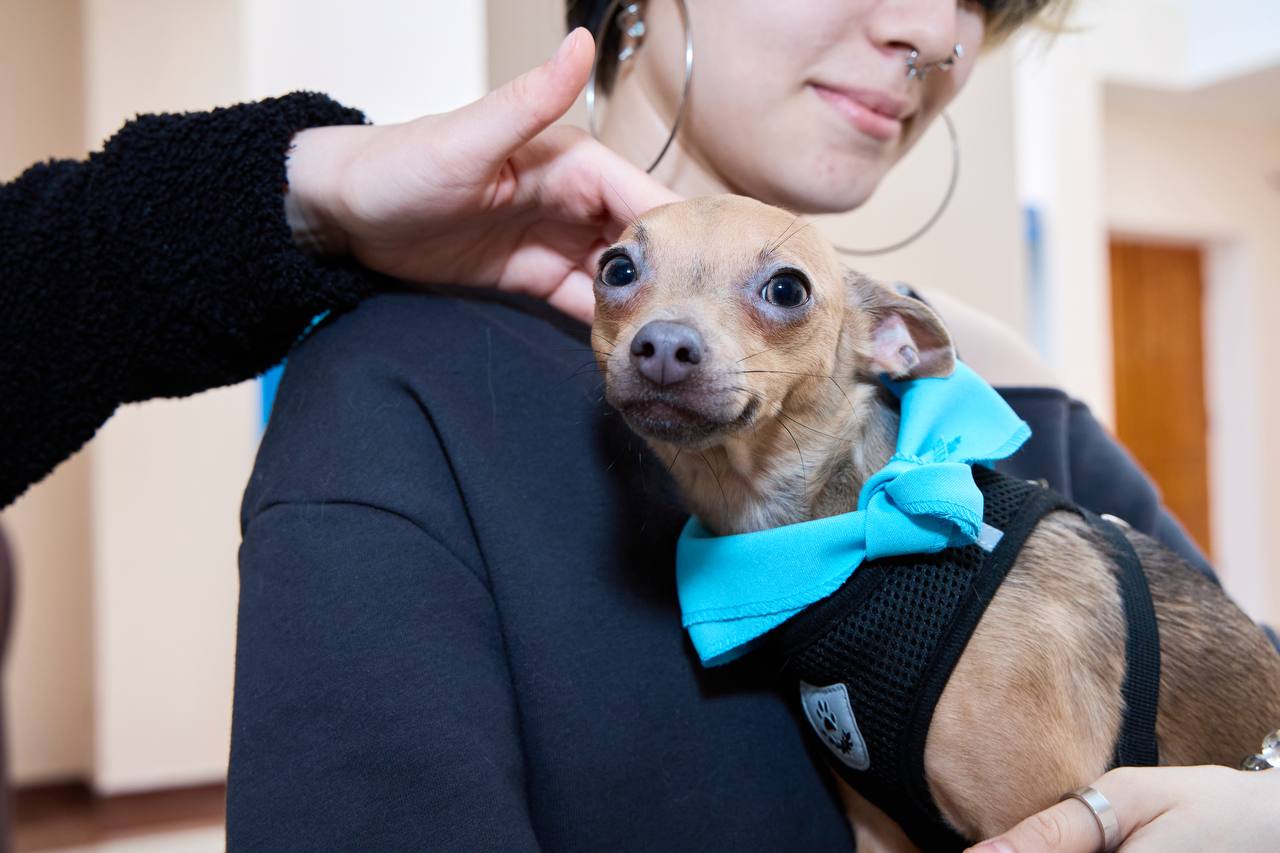
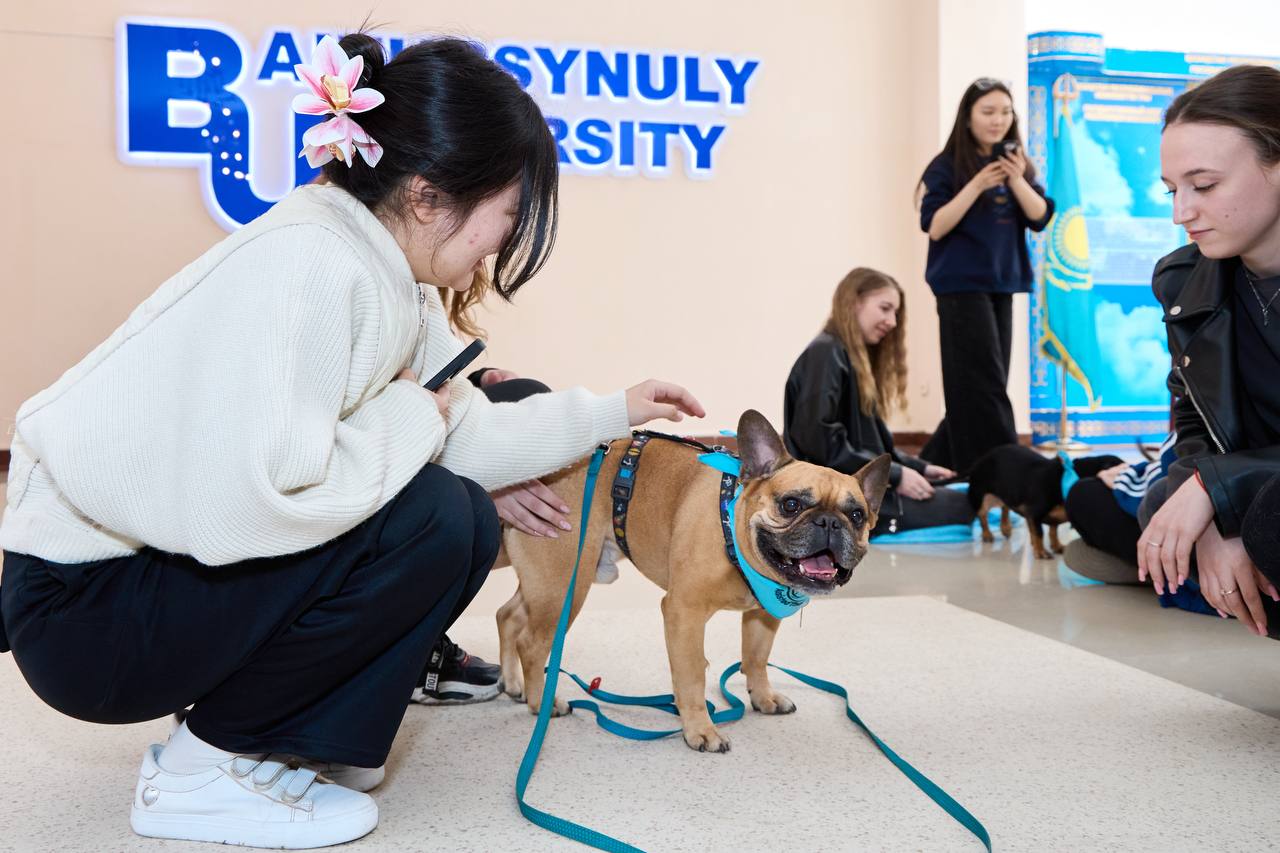
It turns out this is not just a pleasant moment, but a real therapeutic mechanism that helps cope with stress, anxiety, and even more serious conditions.
Now, this will be taught professionally in Kazakhstan. For the first time, the educational program “Animal Therapy” is being launched at KRU.
As early as this September, the university will begin training a new generation of specialists—animal therapists.
The first intake is expected to be small, around twenty students, to ensure maximum attention to each future specialist.
This is a serious profession at the intersection of science, medicine, and psychology. Students will study for four years, mastering several disciplines at once.
First, veterinary science—because a therapy animal must be healthy, well-trained, and able to understand humans almost as well as a specialist.
In addition, students will study psychology and rehabilitation sciences. Future specialists will be trained to work with children with special educational needs, individuals in crisis situations, and those requiring emotional support.
Another important area is the proper care and maintenance of animals.
After all, a four-legged therapist also requires attention, routine, and a special approach.
The program was developed by three KRU departments (Food Safety and Biotechnology, Veterinary Medicine, and Psychology) on the initiative of Professor Alexandra Tegza from the Department of Veterinary Medicine.
“The main focus is on two of the most востребованные areas,” says Alexandra Alekseevna.
“Canine-assisted therapy—therapy involving dogs. KRU already has its own furry specialists.”
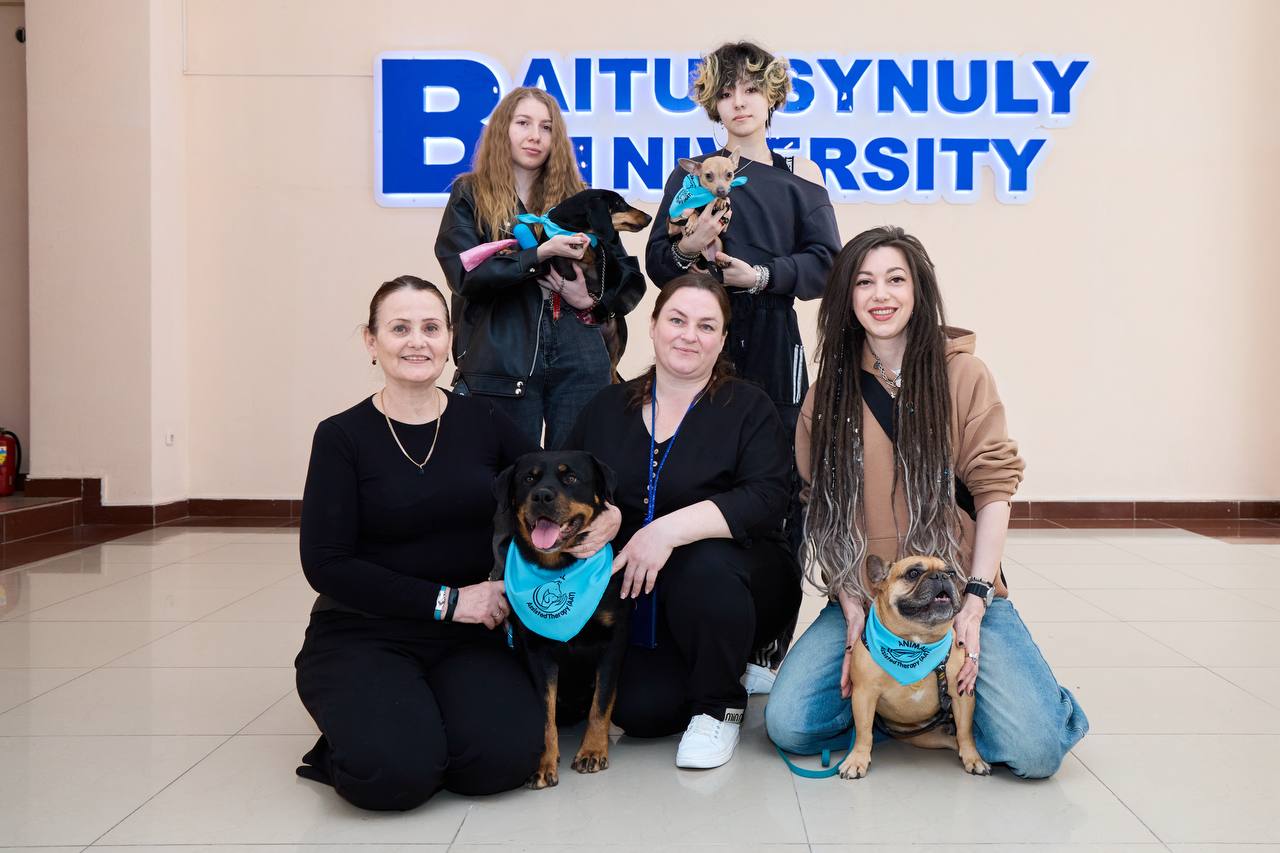
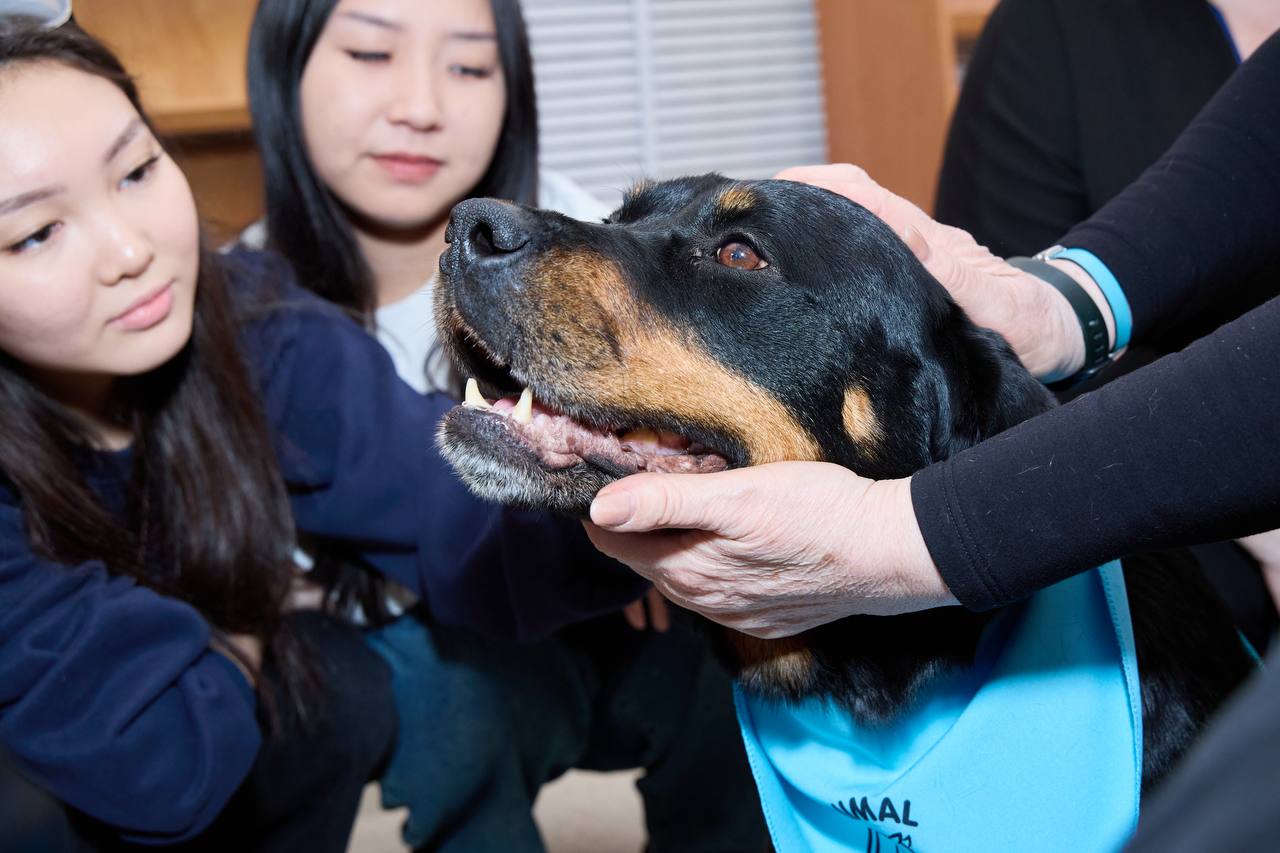
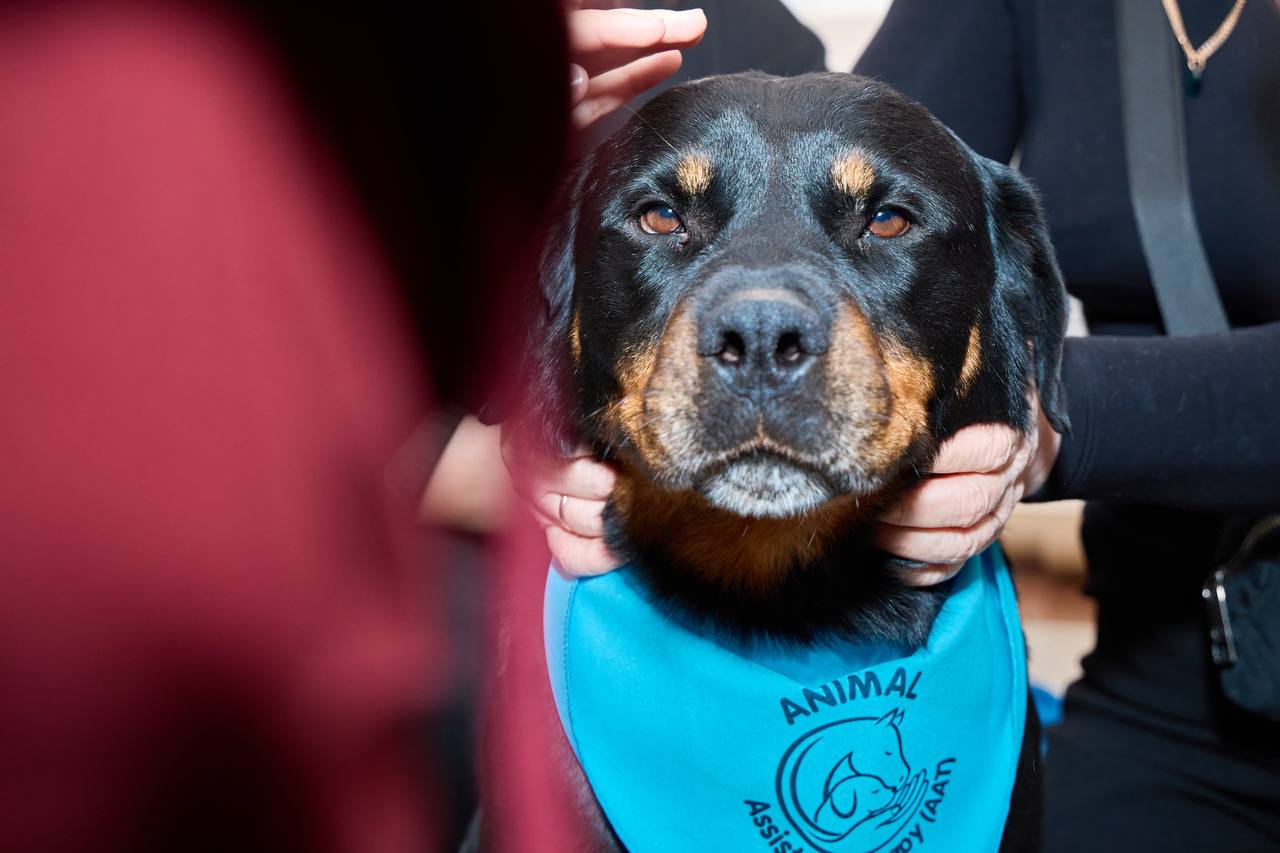
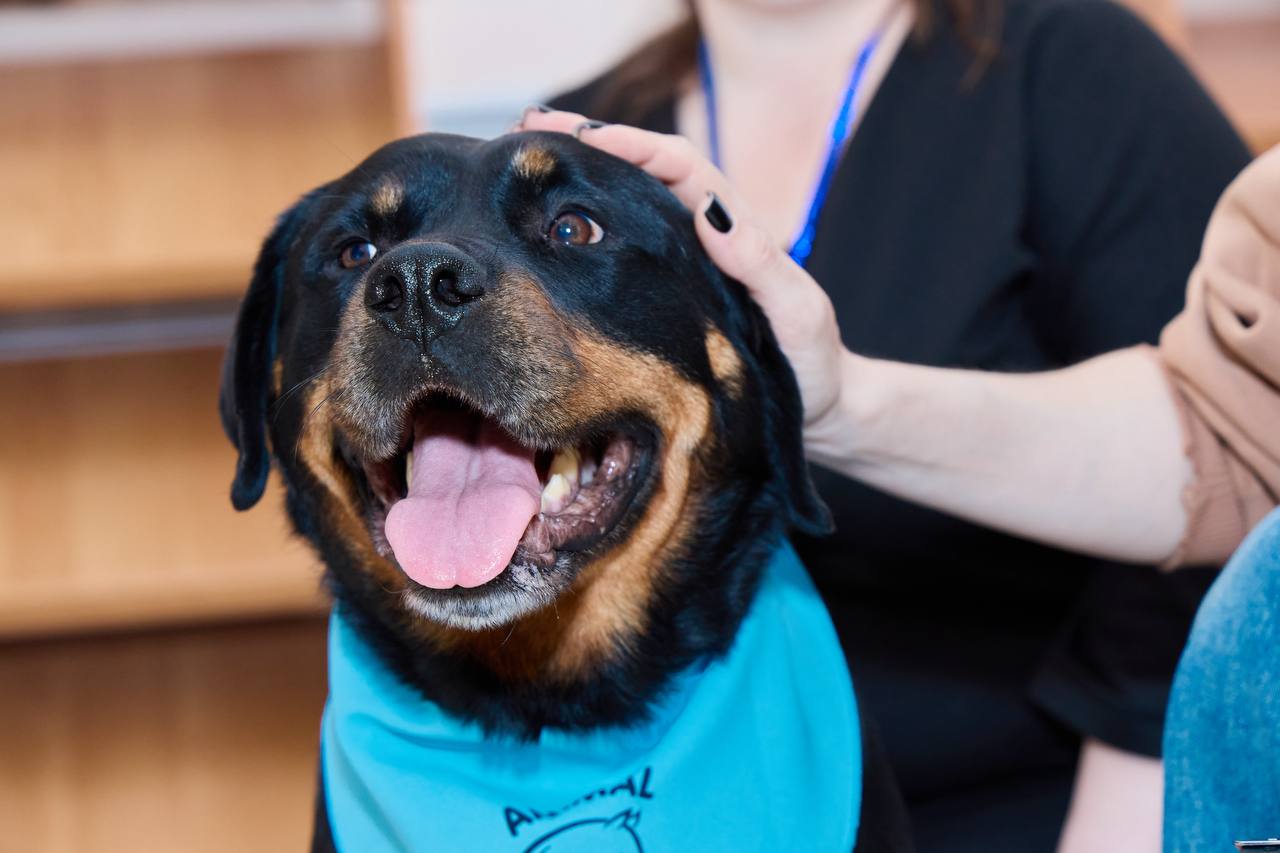
For example, Kira the Rottweiler is a true “anti-stress in fur,” capable of calming a person almost instantly.
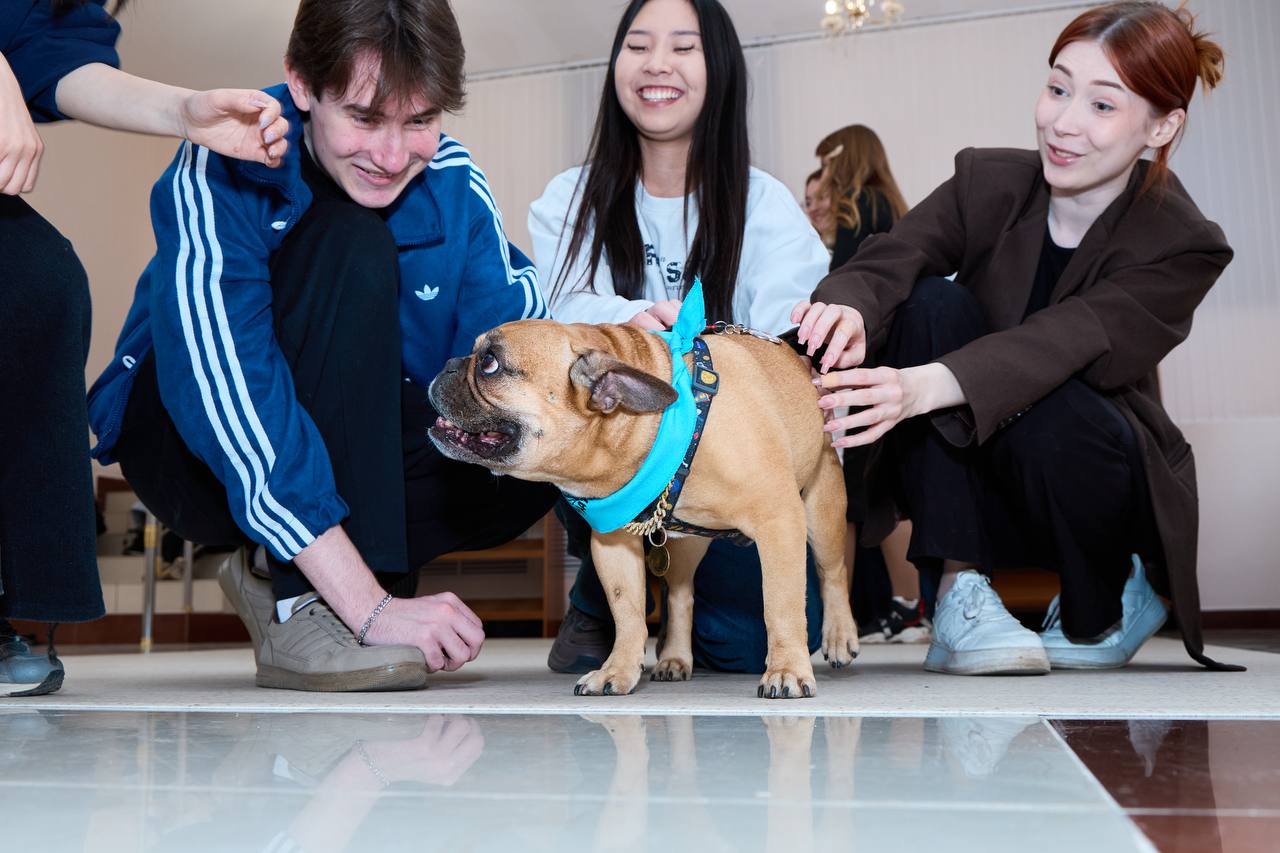
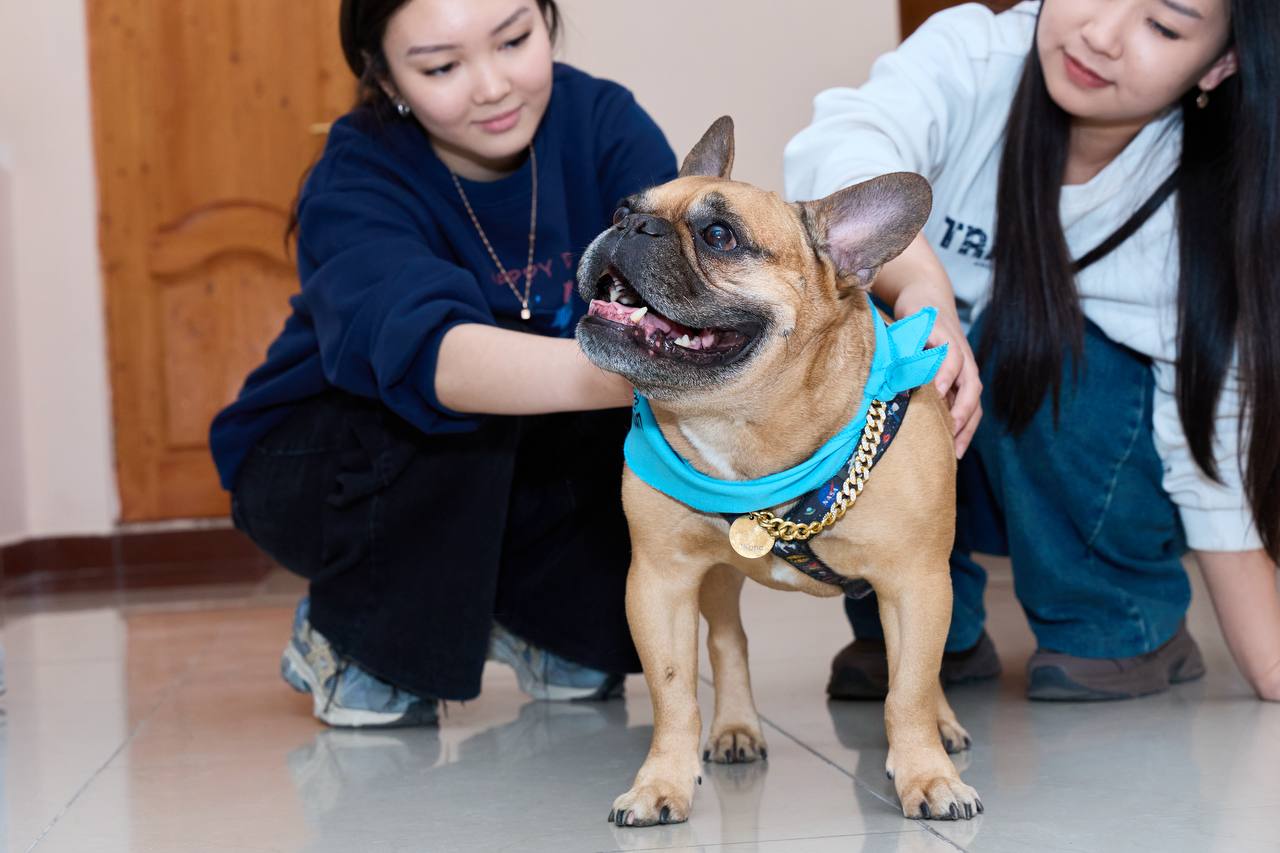
And Georges the French Bulldog is an energetic motivator who helps people overcome apathy and recharge emotionally.
Another direction is hippotherapy, which involves working with horses. Students will complete their practical training at specialized centers, including the well-known “Argymak” center.
Until recently, training such animals in Europe was a closed system, and the cost of trained dogs reached very high levels.
Now Kazakhstan will train its own specialists—and its own four-legged assistants.
Demand for them is already high. Graduates will be able to work in rehabilitation and social centers, specialized schools, private practice, and institutions where warmth, support, and innovative methods of care are especially needed.
But that’s not all. KRU also plans to open an anti-stress club where students and city residents can come.
Had a tough day? You come in, pet a dog, play with it—and the world feels lighter again.
How to apply
While some are only dreaming about the professions of the future, KRU is already creating them.
And what makes it truly KRU-tastic is that here we will train specialists who heal not with pills, but with trust, warmth, and a wagging tail.