The international faculty at Baitursynuly University continues to grow with outstanding experts.
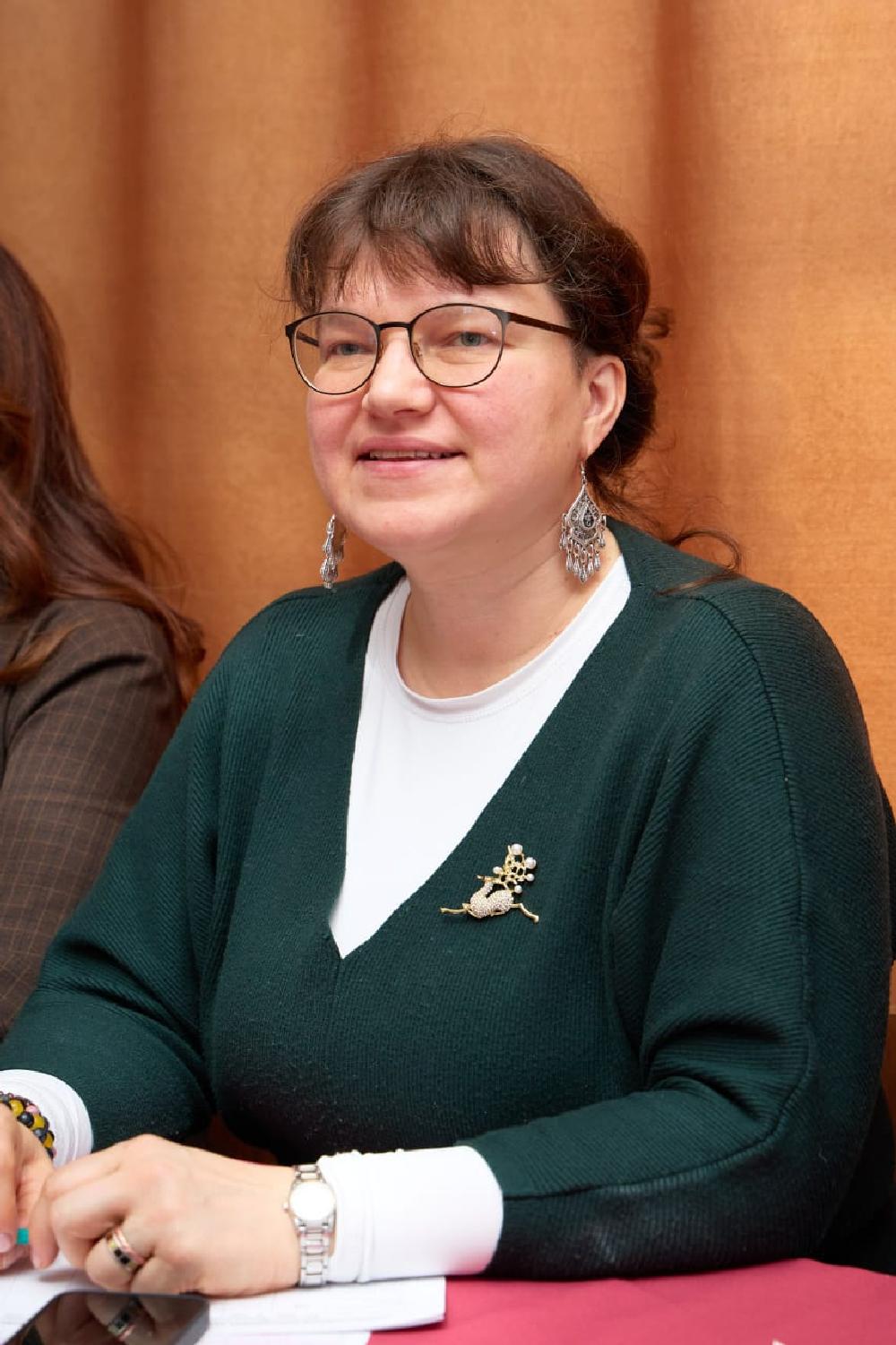
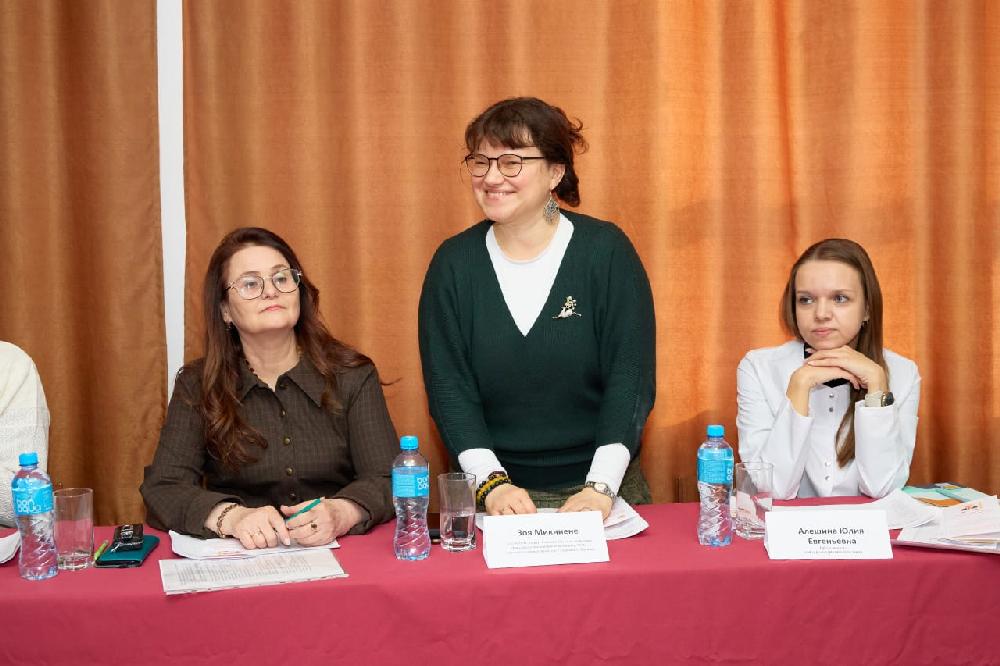
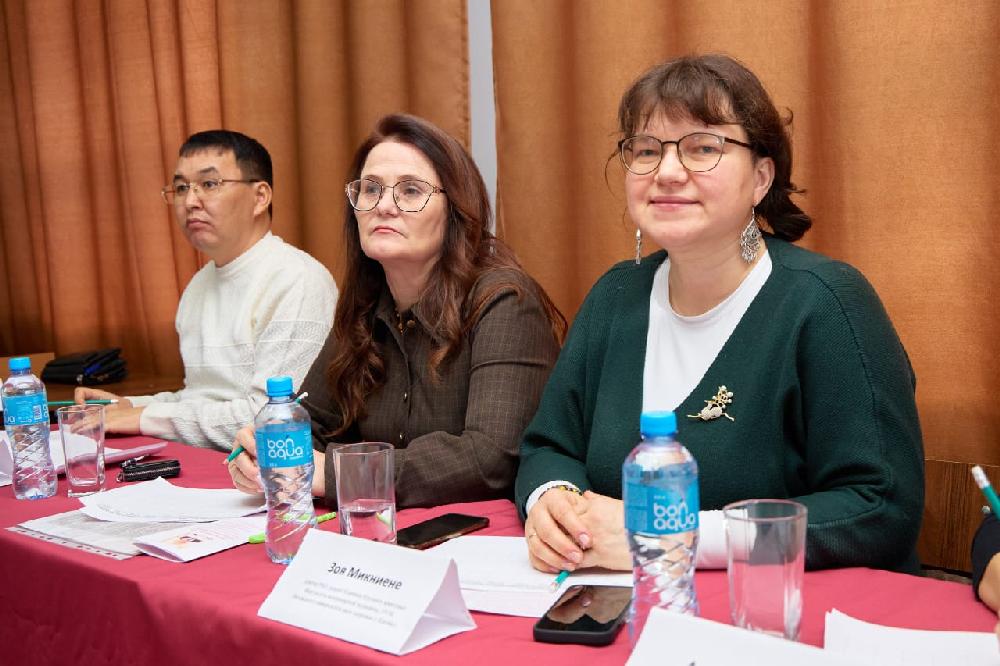
This fall, Zoia Mikniene, PhD, DVM, Associate Professor at the Large Animal Clinic of the Lithuanian University of Health Sciences (Kaunas), worked at KRU.
She not only collaborates with veterinary specialists from zoos and wildlife in Lithuania but also is a member of the national Association of Veterinarians, combining practice with science.
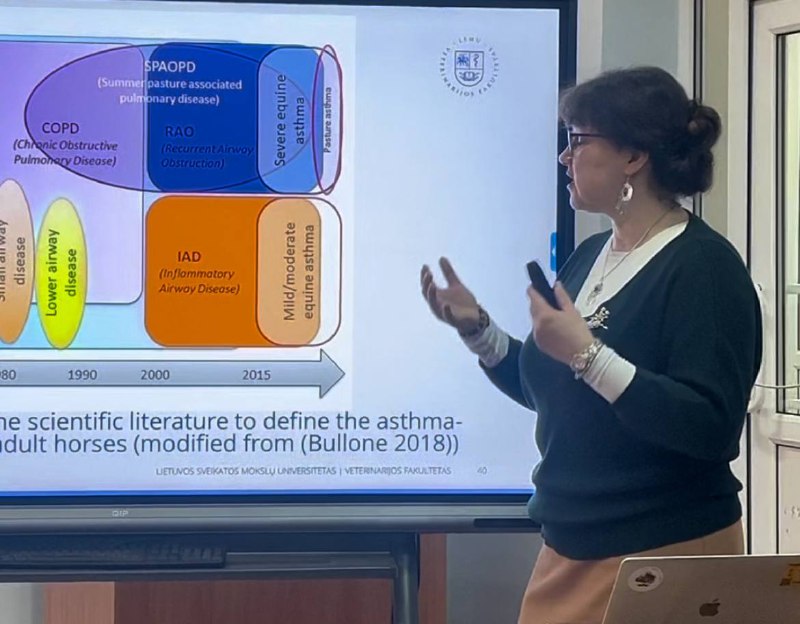
We attended one of Zoia Vladimirovna’s lectures, and afterward, we had the opportunity to speak with her personally.
In the lecture, the topic of asthma in horses was discussed. Students asked many questions, and the audience was very engaged.
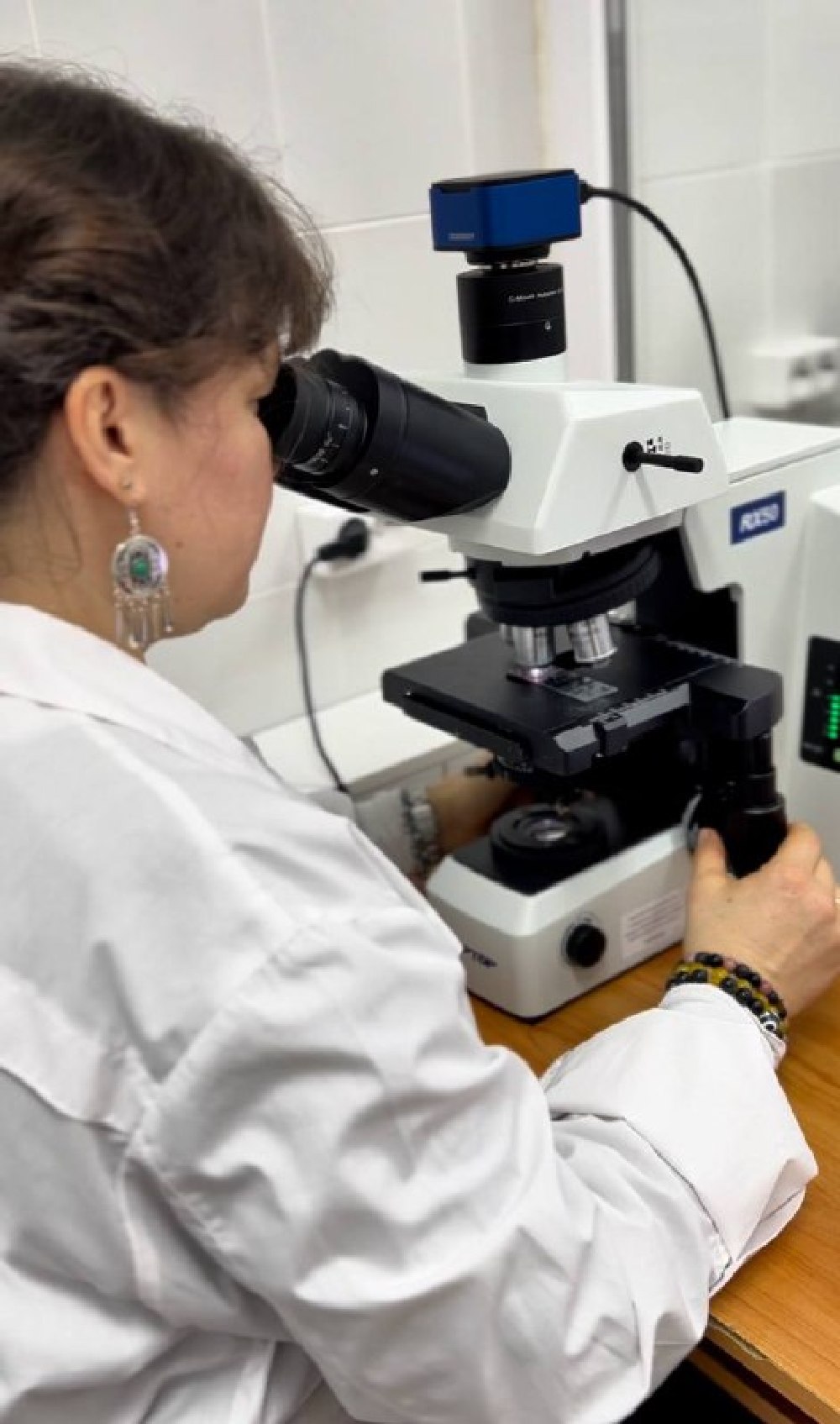
After the lecture, the conversation continued in the KRU laboratory.
“Coincidences are not accidental,” Zoia smiles. “Initially, I wanted to be an artist, but I ended up in veterinary medicine.”
In her first year, she particularly enjoyed working with tissue samples, which they would draw. Since she had been drawing since childhood, the professors noticed her work and began using it as visual examples.
The realization that veterinary medicine was her calling came in her third year when Zoia began working as a janitor at the zoo.
Balancing studies and work helped her truly understand what it means to be a real veterinarian.
“How did you ‘fall in love’ with the profession?”
“I started as a veterinary assistant, doing various tasks, gradually getting more involved... and that’s how my true love for the profession was born. I graduated with two children: my son was born in my fifth year, and my daughter came shortly after. Then, I completed a six-year veterinary program, followed by two years of residency. I chose hematology and toxicology, defended my PhD, and became an Associate Professor.”
Today, Zoia works with a wide range of animals, from mice and chickens to cows and horses.
Since 2007, she has been teaching topics related to non-infectious diseases in horses, laboratory diagnostics, hematology, and toxicology.
Her work is deeply connected to practice: blood, bone marrow, herbal medicines, and apitherapy are all part of her daily work.
“What is the main goal of your visit to KRU?”
“Scientific collaboration. We are already working with PhD students, continuing to develop this area and supporting doctoral candidates. One of my doctoral students has defended her thesis and is now an associate professor, and another will defend soon. I am their overseas scientific supervisor. Together, we write articles, provide consultations, and develop research.”
Zoia speaks warmly about the Kazakhstani students:
“They are very polite. Even an unfamiliar professor will hear a greeting in Kazakh ‘Sälem’ or Russian ‘Zdravstvuyte’. This respect is an important quality. European students are more demanding; they know their rights, but for students, the main thing is to learn and gain knowledge, not to chase after grades.”
“How does the education system in Lithuania differ?”
“Our university in Kaunas, the Lithuanian University of Health Sciences, is one of the largest. It combines veterinary medicine and medicine, training doctors, pharmacists, psychologists, sanitation specialists, and veterinarians. Veterinary education lasts for six years, followed by residency and doctoral programs – up to 12 years. Practice takes up almost 70% of the time, theory about 15%, and the rest is self-study. We have a simulation center where students learn on animal models: from injections and blood sampling to surgeries. Small groups of 10-11 students allow the professor to give individual attention. We use tutorial lessons: students receive cases, investigate diseases, come to their own solutions, and the professor guides them.”
Zoia speaks with warmth about Kazakhstan:
“Kostanay impressed me with its size. I recently visited Almaty, but Kostanay feels cozier. I feel comfortable here, although this time the city greeted me with ‘Lithuanian-style’ weather: the sky was gray. In Lithuania, we call this type of sky ‘zeppelin sky’ – grayish, like our national dish, zeppelins (potato dumplings filled with meat). When I first came to Kazakhstan in 2017, I was amazed by the blue sky in Kostanay. In Lithuania, this rarely happens, as the sky is often overcast, and we have high humidity, which makes it cold.”
“What is your favorite Kazakh word?”
“‘Rakhmet,’ because it’s about gratitude. One must be grateful for everything that happens in life, for every moment that passes. I’m very pleased that Kazakhstan preserves its traditions: ornaments on clothing, vests, fences. Hospitality and respect are felt everywhere – people give up their seats on public transport, open doors.”
“Do you have advice for students, future veterinarians?”
“Take advantage of all the opportunities the university offers: participate in Erasmus programs, go on internships, explore new countries and cultures. This helps not only deepen your knowledge but also improve your English and learn to understand different approaches and traditions. Veterinary medicine is about caring for animals and people. Your work affects the quality of life.”
“What phrase do you live by?”
“Coincidences are not accidental.” Every encounter, every event leaves a mark. Everything matters!”