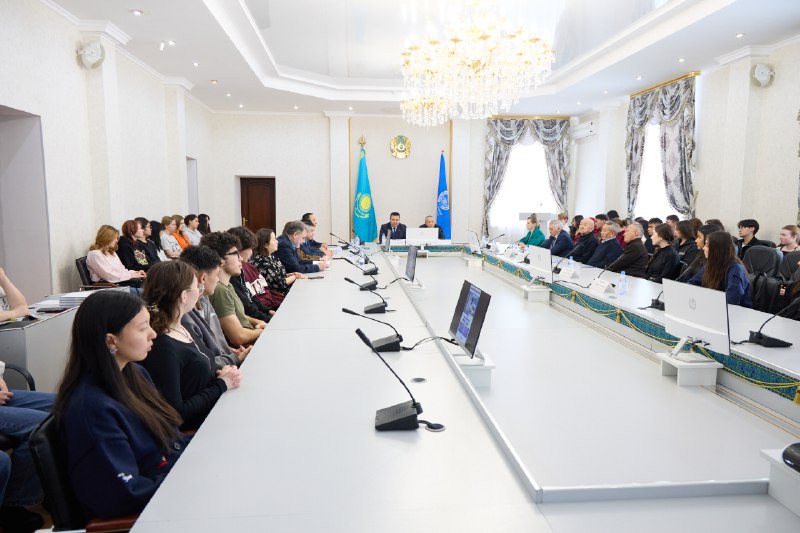
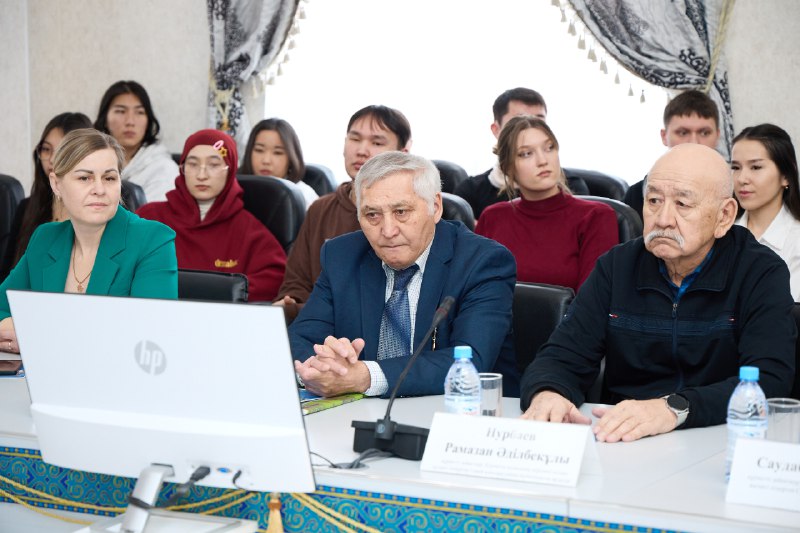
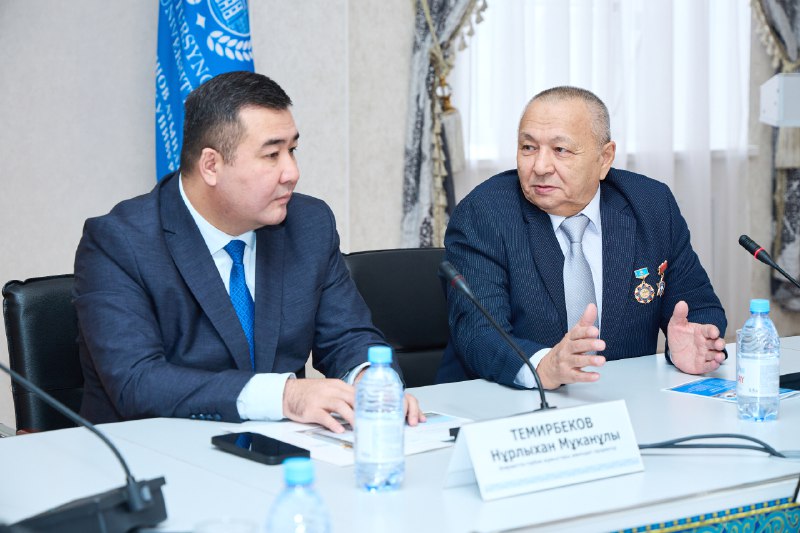
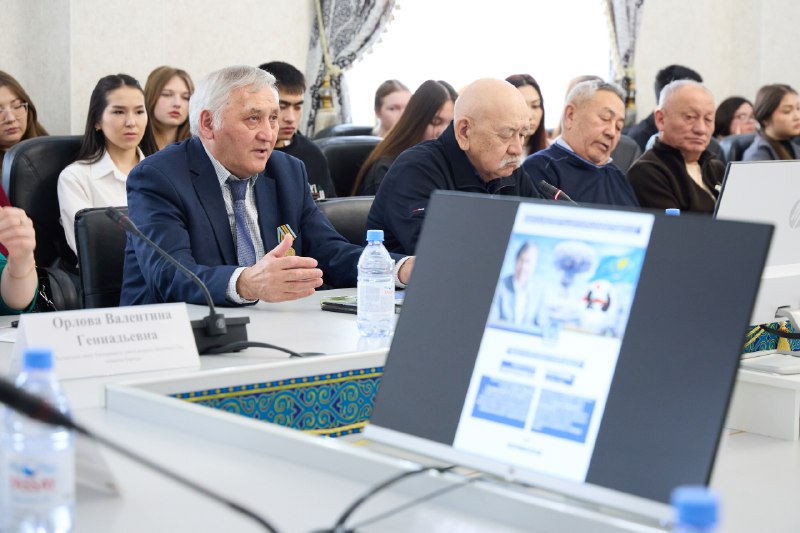
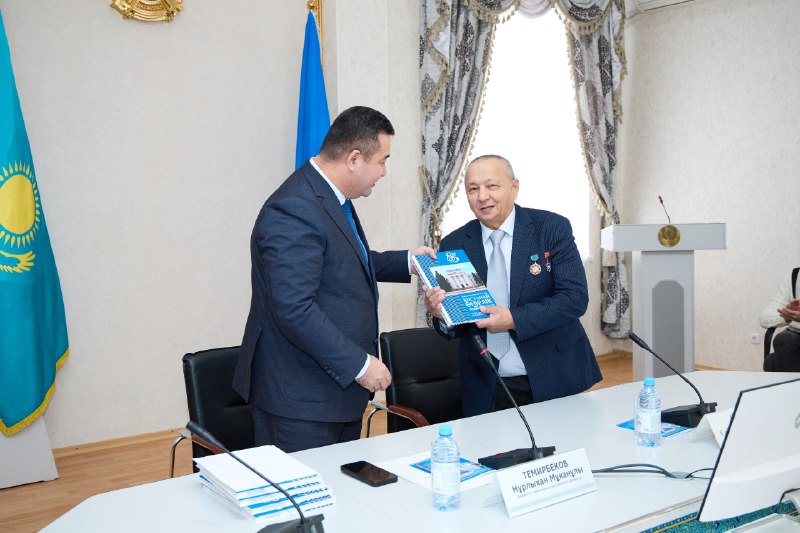
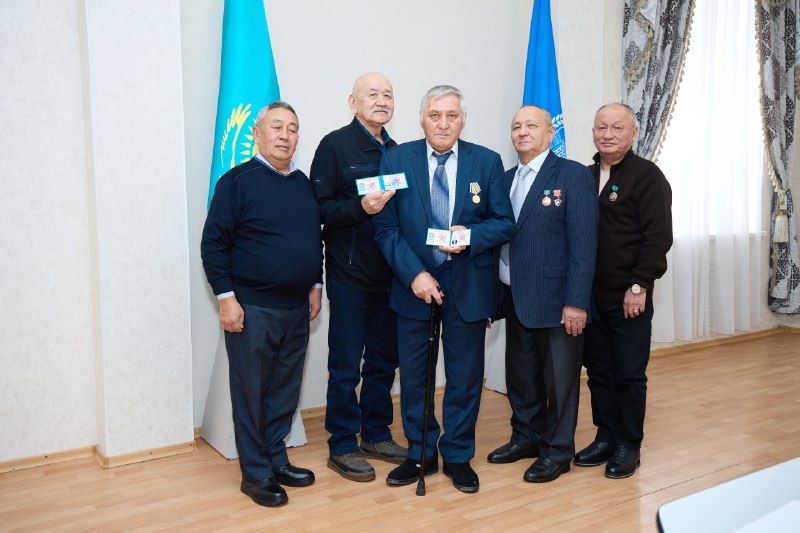
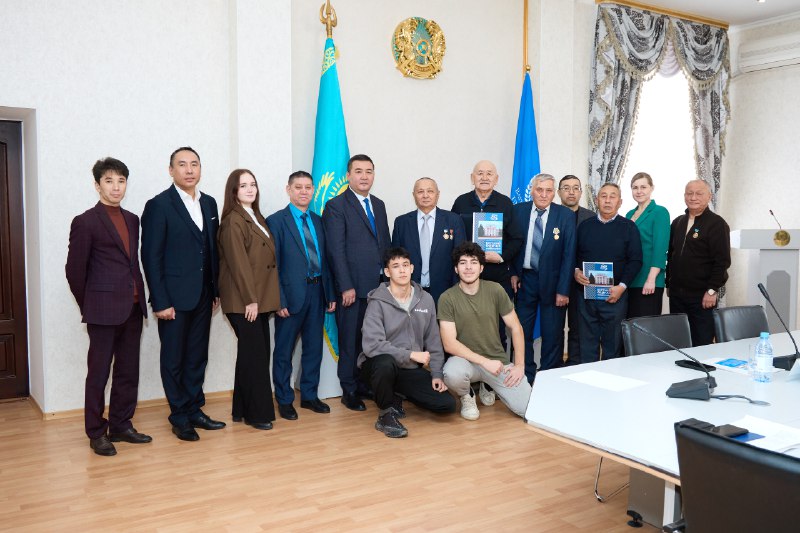
The purpose of the event was to discuss the impact of nuclear testing on human life and the environment, the role of the anti-nuclear movement “Nevada–Semey,” and to promote environmental and historical awareness among young people.
The Semipalatinsk Nuclear Test Site was the first and largest nuclear testing ground in the former Soviet Union, operating in Kazakhstan from 1949 to 1989. Over a period of 40 years, at least 468 nuclear tests were conducted there, exposing hundreds of thousands of people to radiation.
The anti-nuclear movement “Nevada–Semey” was established on February 28, 1989, at the initiative of Olzhas Suleimenov, who made a significant personal contribution to freeing Kazakh land from nuclear testing. The test site was officially closed on August 29, 1991.
The consequences of nuclear testing have been tragic: increased rates of severe diseases, genetic mutations, and contamination of vast territories that remain unsuitable for use to this day. According to various estimates, more than 1.5 million people in Kazakhstan were affected by the tests.
Among the participants was Aлимжан Zhusupov, a veteran of the Semipalatinsk Test Site who served in the closed city of Kurchatov. He noted that many servicemen were unaware of their actual location, believing they were stationed in Moscow. They were responsible for preparing, conducting, and eliminating the consequences of nuclear explosions.
Currently, about 1,500 participants and victims of nuclear testing live in the Kostanay region. The veterans emphasized that present and future generations must remember the dangers of nuclear weapons.
Nuclear weapons are among the most destructive means on Earth. A single nuclear warhead can destroy an entire city, claim millions of lives, and endanger the natural environment and the future of humanity.