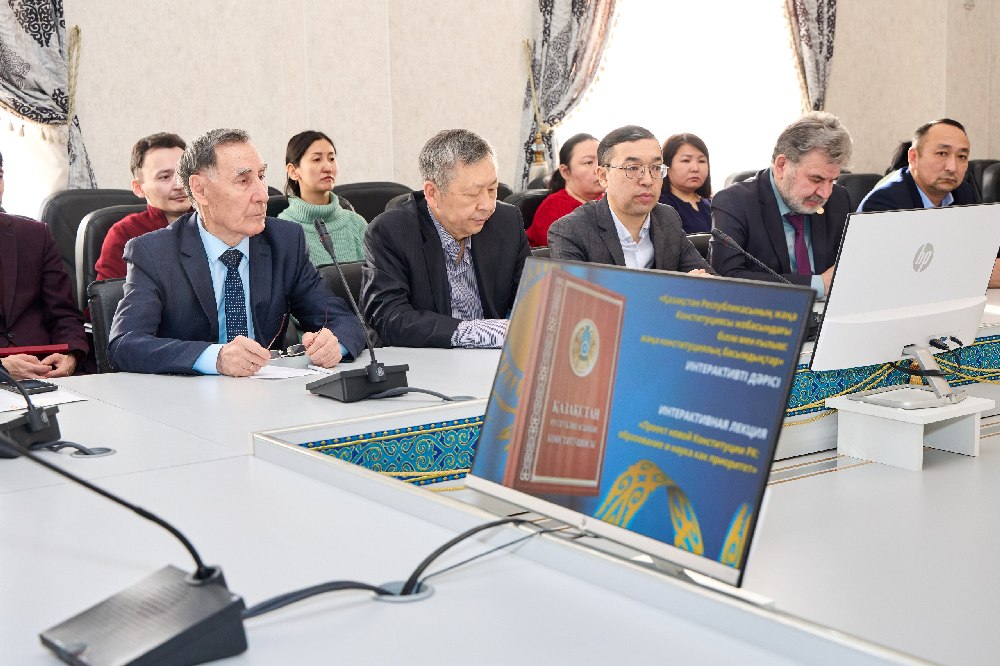
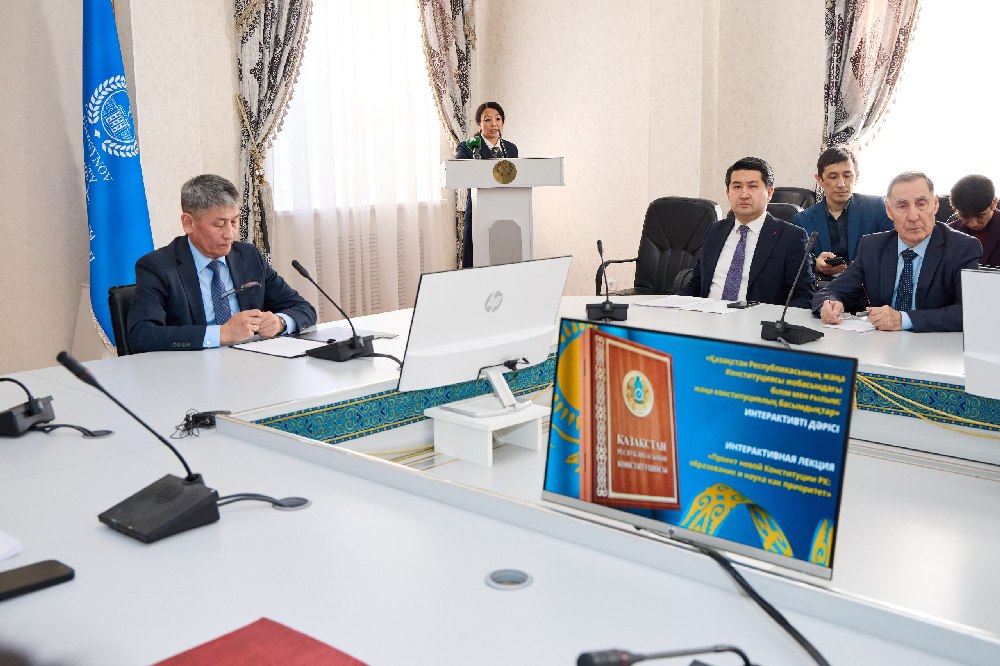
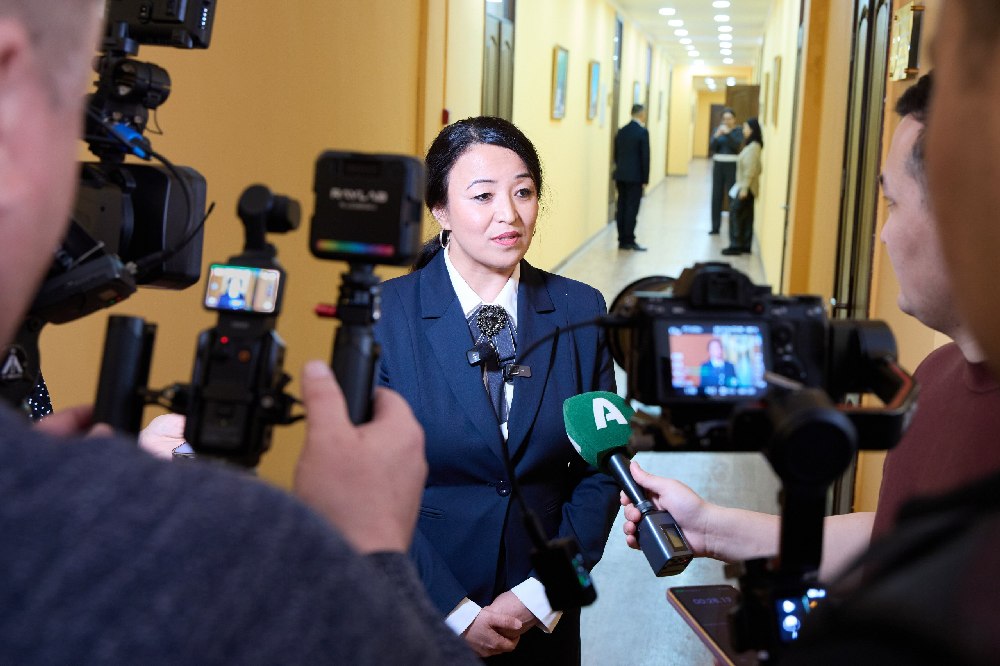
For the first time, such strategic areas as education, science, culture, innovation, and digital development are being закреплены at the constitutional level. These spheres are viewed as the foundation of the country’s future and are defined as national priorities. As the speakers noted, this demonstrates Kazakhstan’s commitment not to short-term solutions, but to long-term strategic development — through investment in people, knowledge, and responsibility to future generations.
Senior Lecturer of the Department of Theory of State and Law, Indira Taltanova, emphasized that the draft Constitution focuses on the accessibility, quality, and secular nature of education, as well as enshrines the principle of lifelong learning. The document is aimed at developing academic freedom, integrating education with science and innovation, and training specialists for the economy of the future.
Dean of the Faculty of Social and Human Sciences, Candidate of Historical Sciences Alibek Tabuldenov, highlighted the historical significance of the upcoming referendum:
“This is a turning point that demonstrates how the future of the state is directly linked to human capital and the formation of an educated and competitive nation. The upcoming referendum is not merely a political campaign, but a historic decision that will determine the further direction of our country’s development.”
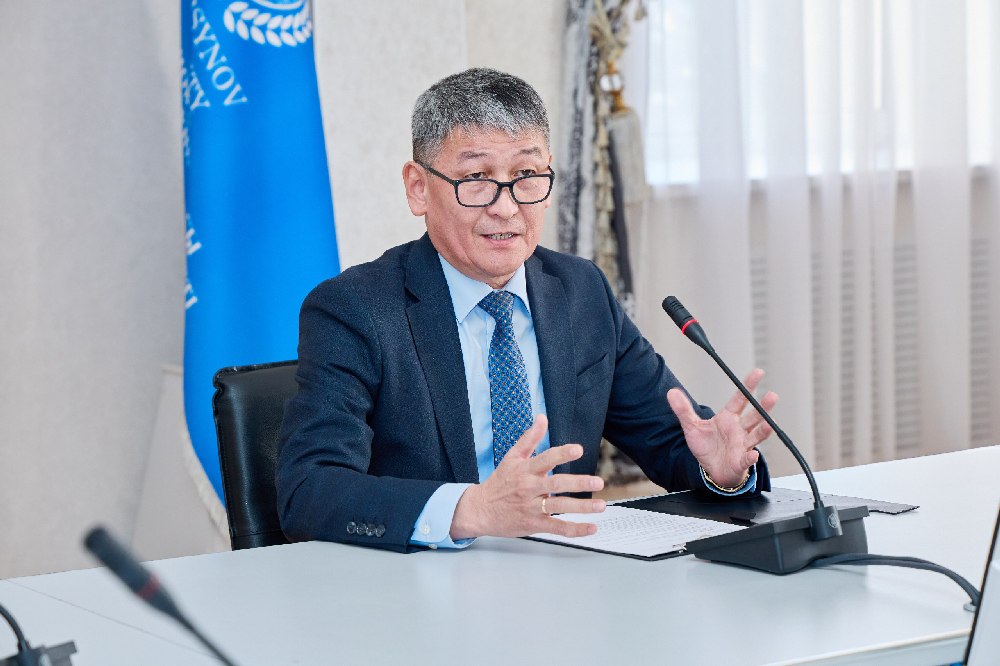
Invited speaker, Member of the Management Board and Vice-Rector for Innovation and Internationalization at Rudny Industrial University, Aydyn Sabitov, spoke about key additions to the draft:
“In the new Constitution, culture, historical heritage, and ecology are recognized as specially protected values. This is of fundamental importance for sustainable development and the well-being of future generations.”
He emphasized that environmental protection, preservation of ecological balance, and safeguarding historical and cultural values are not only social responsibilities but also important areas for scientific research and the development of innovative solutions. Universities and research centers can actively contribute to sustainable development projects and the implementation of environmental innovations.
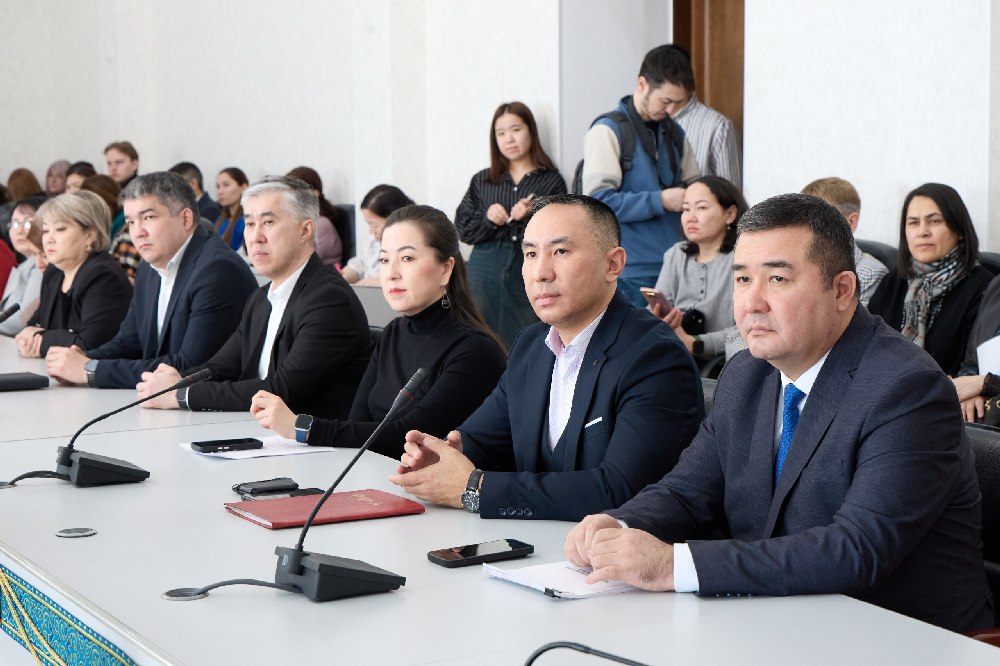
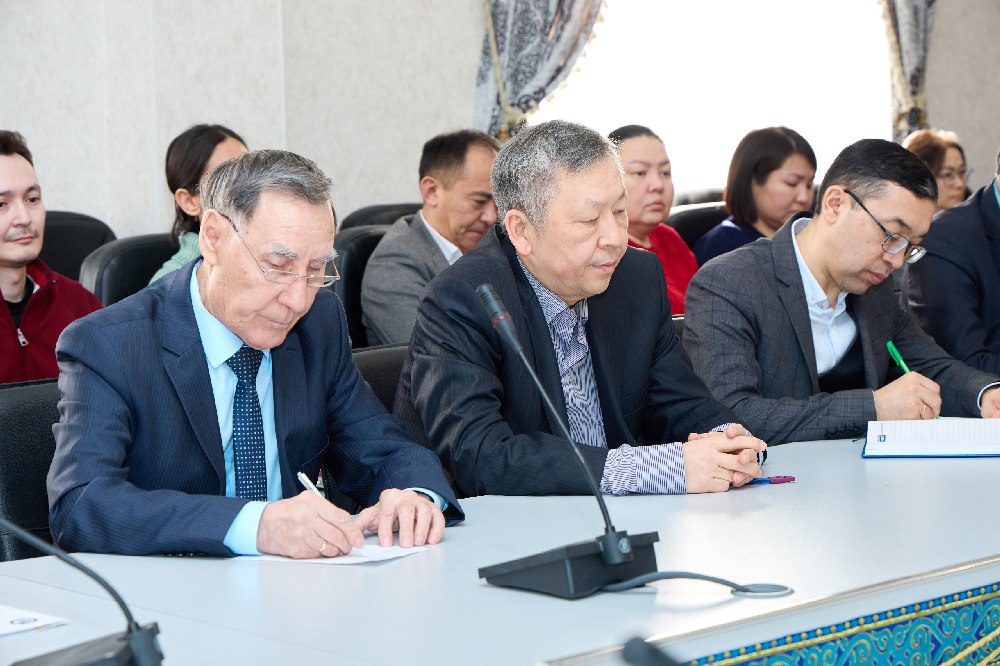
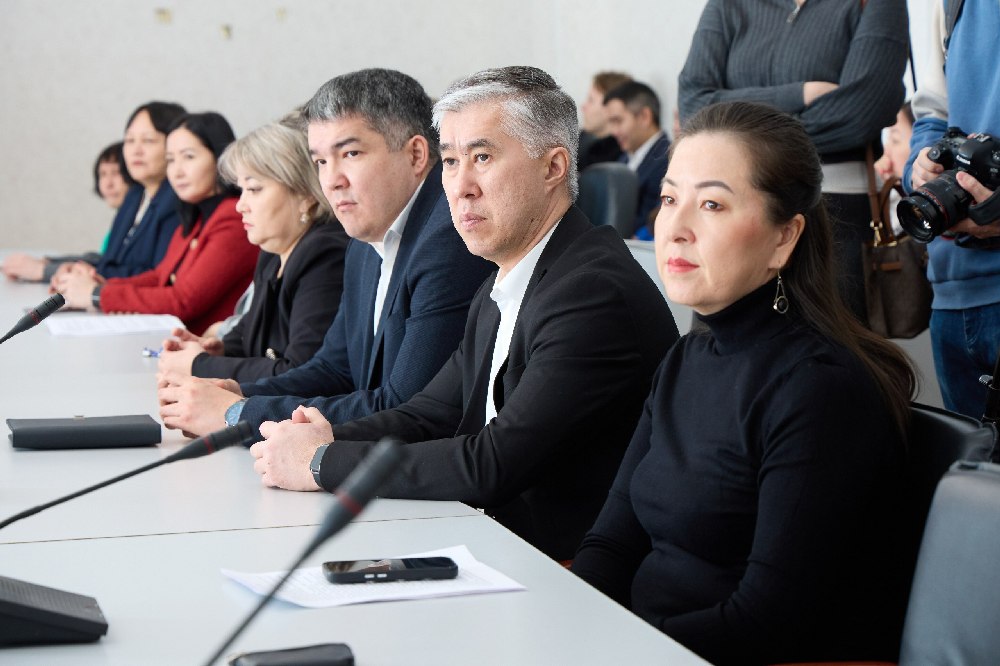
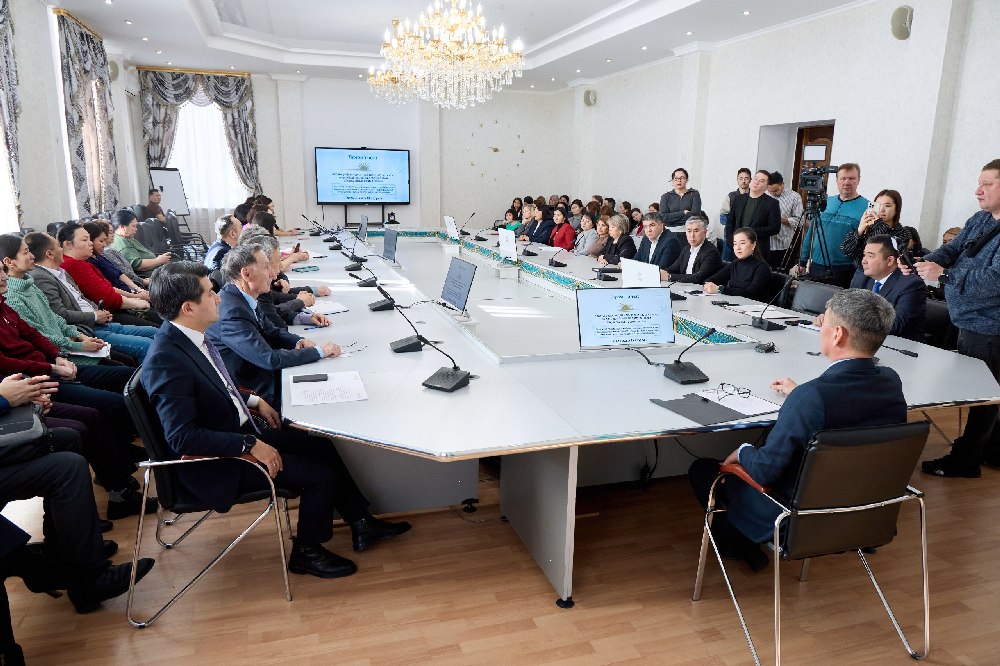
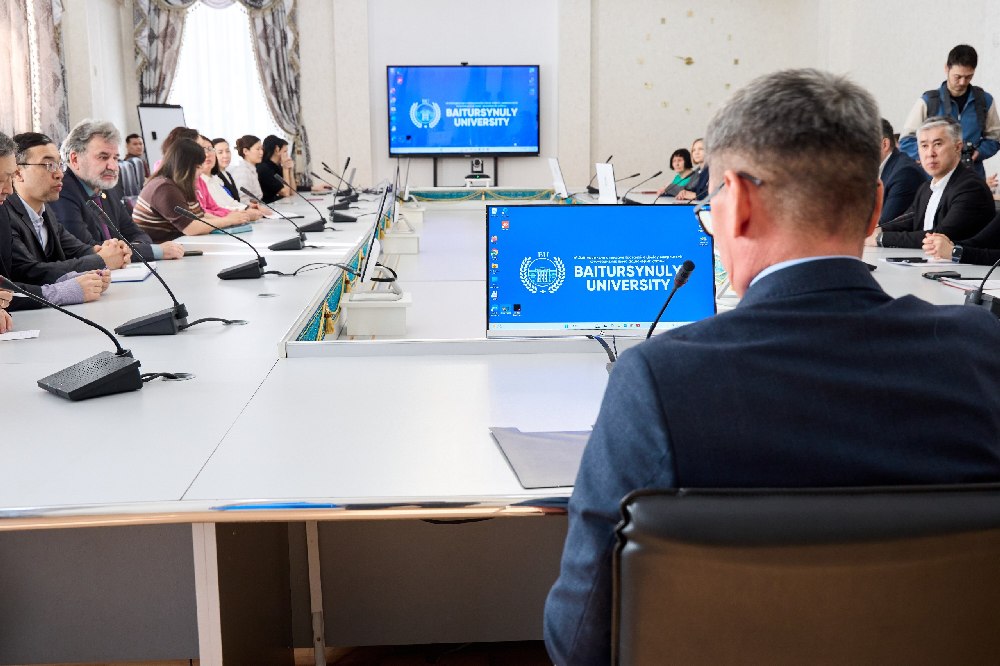
Faculty members and staff of KRU actively participated in the discussion, expressing their civic position. The discussion of the draft Constitution reflects mature civic engagement, in which the voices of scientists, educators, youth, and representatives of the intellectual and expert community must be heard.